Category: Blog

  • How to Reduce the Risk of Cancer Recurrence After Treatment

    How to Reduce the Risk of Cancer Recurrence After Treatment

    You have successfully undergone treatment for cancer and have emerged as a survivor. Nevertheless, cancer survivors often struggle with a challenge which is the fear of cancer recurrence. While this uncertainty is a natural feeling, it’s important to note that by taking meaningful steps, you can support your long-term health and prevent cancer from returning. Opting for healthy lifestyle choices, going for regular check-up, and caring for your emotional well-being will go a long way in recovery and cancer prevention.

    Ways to prevent cancer from returning

    Cancer survivors are advised to never let their guard down as their bodies are more prone to infections or developing other types of cancer. Listed below are some practical ways of reducing cancer recurrence.
    1. Adopt a healthy, plant-based diet: A plant-based diet is known to ward off cancer because such foods contain fibre, nutrients, and phytochemicals. Eating these foods can help in weight management which is essential for protecting yourself from cancer. Recent studies have shown a strong association between obesity and cancer risk. Eating plant-based diet can further help in managing many health conditions, namely, heart disease, high blood pressure, and diabetes.

    2. Quit smoking: Cancer treatment has been found to be less effective in active and heavy smokers, making healing times longer and increasing the risk of acquiring infections.

    3. Protect yourself from the sun: This holds true for all those cancer patients who lose hair as a result of cancer treatment. When exposed to sunlight, they are at a greater risk of getting skin cancer. It is advisable to use a broad-spectrum sunscreen with an SPF of at least 30 before stepping out in the harsh rays of the sun and re-applying periodically as required.

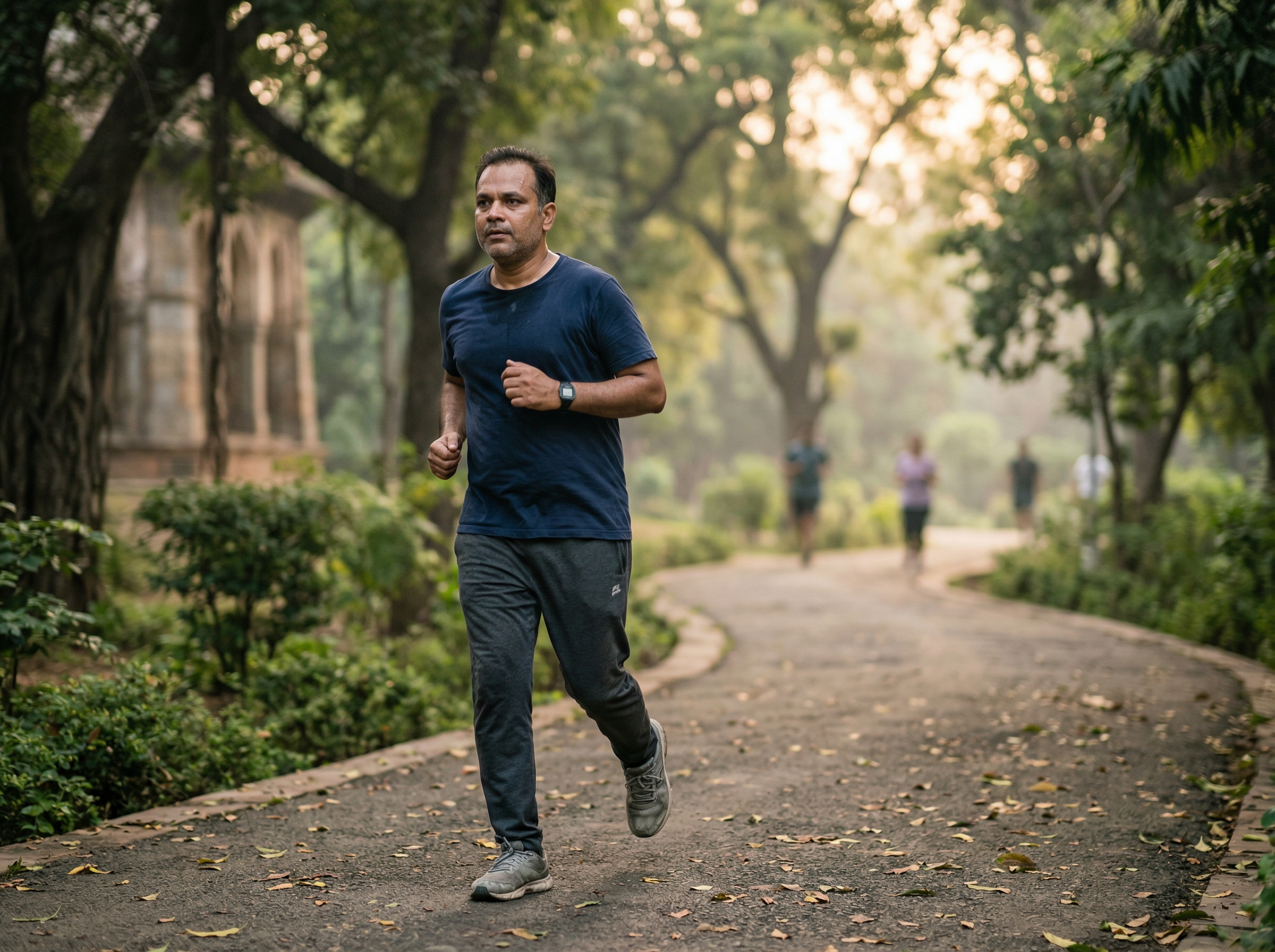
    4. Exercise regularly: Staying active is very important for overall physical and mental well-being. An active exercise regime will help in overall success of the cancer treatment as well as in preventing future recurrences.

    5. Find out your inherited risk of cancer: About 5-10% of cancers are due to inherited gene mutations (abnormalities). Even if you have already had cancer, your risk of developing primary cancers is increased due to these inherited mutations. It is advisable to talk to your healthcare provider about your possibility of inherited cancer risk and getting screened for the same.

    6. Get screened: Screening tests can detect cancer even before the warning symptoms appear, making treatment easier. Regular cancer screening is essential for cancer survivors who have a great chance of cancer recurrence or developing another cancer type as a result of cancer treatment. It is best to follow your healthcare provider’s instructions on the frequency and type of screening tests you need to undergo.

    By making solid, consistent choices and integrating healthy lifestyle modifications into your daily life, you can support your overall health and well-being. While no approach can guarantee that cancer will not return, staying committed to follow-up care and regular screening can significantly strengthen your body’s resilience. Remember, survivorship is a journey and not a destination. Be kind and compassionate to yourself and listen to your body’s signs by staying vigilant, as you move forward each day with confidence and hope!

  • Long-Term Side Effects of Cancer Treatment: What Survivors Should Know

    Long-Term Side Effects of Cancer Treatment: What Survivors Should Know

    Revolutionary changes in cancer treatment have made what was once considered a life-threatening diagnosis into a condition where many people emerge as survivors and live fuller lives. Latest advancements in cancer treatment such as chemotherapy, radiation therapy, immunotherapy, and surgery have led to decreased death rates. However, finishing treatment does not imply the end of the journey. Often, survivors have to deal with long-term effects of cancer treatment post remission. Some of these side effects emerge as health issues that have lasting, long-term effects and may persist for months or even years. This blog highlights these potential health challenges and ways to manage them effectively.

    Reasons for long-term side effects of cancer

    While chemotherapy, radiation therapy, immunotherapy and surgery may eliminate cancerous cells, these end up causing damage to the neighbouring healthy body cells and tissues as well. There are other risk factors that cause long-term or late effects such as age at which the patient underwent cancer treatment, type of cancer diagnosed and treatment imparted, and overall health and genetics of the patient.

    Common long-term side effects of cancer treatment

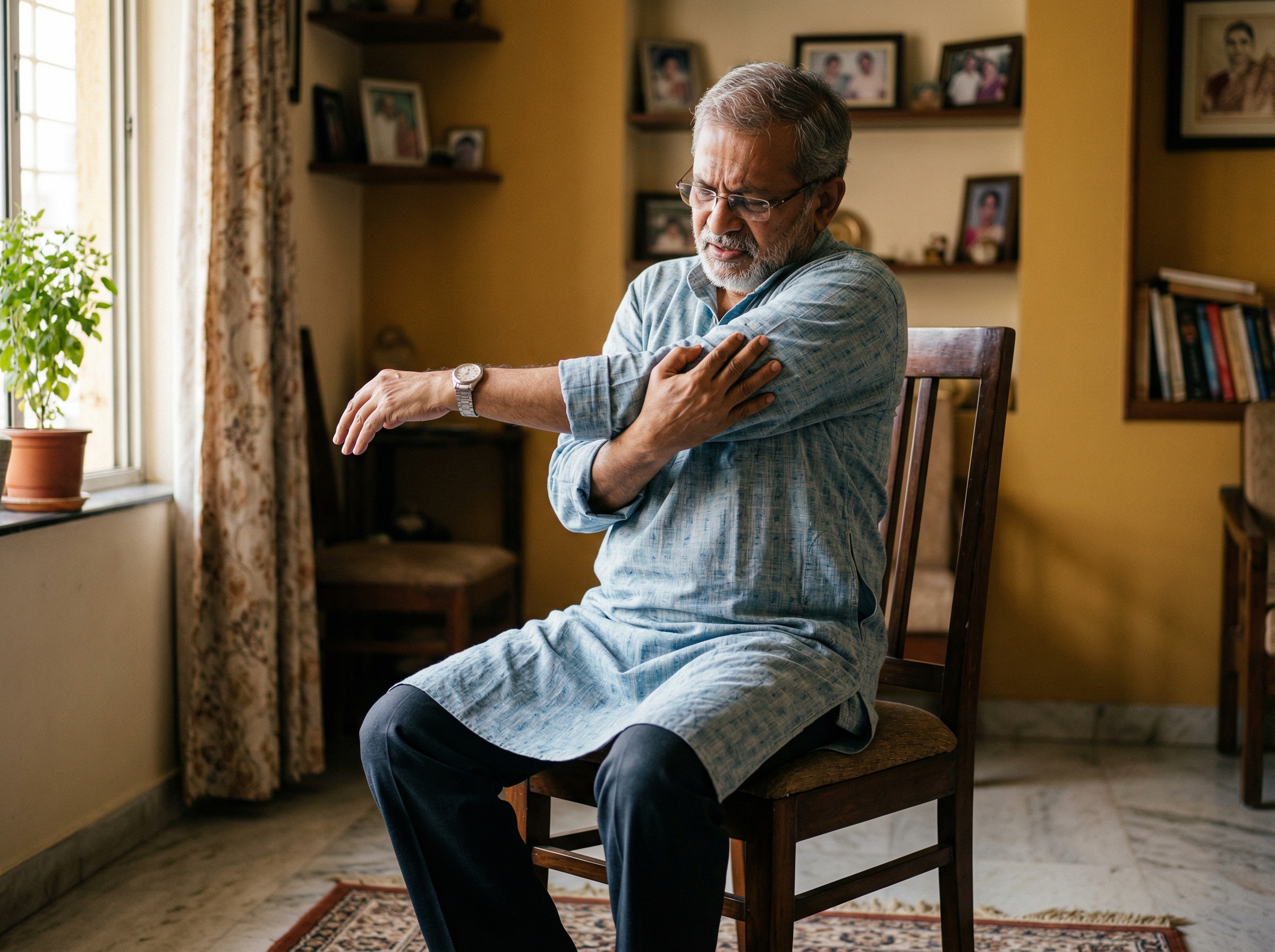
    • Cardiac (heart) problems: Some cancer drugs and radiation to the chest area causes long-term effects to the heart. Problems related to the heart may include weakening of heart muscles and coronary artery disease. Symptoms that manifest as a result are shortness of breath, chest pain, dizziness, or swollen hands and feet. 
    Ways to Manage: Eating a heart-friendly diet which is low in salt and carbohydrates will help manage your body weight. Keep yourself fit by exercising regularly. Quit smoking and drinking alcohol. Regularly take medicines prescribed by your healthcare provider. 
     
    Endocrine (hormonal) changes: Certain cancer drugs, radiation therapy, and hormone therapy can affect the endocrine system, impacting reproductive organs, and also leading to sexual problems like infertility. Cancer treatment can also induce early menopause in females. 
    Ways to Manage: If you experience hot flashes and night sweats associated with early menopause, you should talk to your healthcare provider who will help you manage the symptoms. 
     
    Digestive system issues: The intestinal region and rectum can get damaged due to radiation therapy to these areas. Problems such as chronic radiation enteritis and chronic radiation proctitis may arise many years later. This leads to diarrhea with mucus, trouble in digesting food, dehydration due to loss of water absorption, etc.
    Ways to Manage: If you are diagnosed with chronic radiation enteritis or proctitis, you may be advised to undergo dietary modifications and given medication for diarrhea and pain. 
     
    Cognitive changes: The brain also undergoes many changes as a result of cancer treatment. You may experience memory loss, problems in concentrating, inability to process information faster, and movement coordination problems. 
    Ways to Manage: You may be required some medications to help manage the above symptoms. In very rare cases, surgery may be called for. 
     
    Bone loss: Thinning of the bones may occur after chemotherapy, radiation therapy, or hormonal therapy sessions. After radiation therapy, bone loss will occur only in those parts of the body that was treated through radiation. 
     Ways to Manage: After your cancer treatment, you should have regular check-up wherein your healthcare provider may ask you to undergo certain tests to check your bone health. You can reduce further bone loss by giving up habits like smoking and consuming alcohol. 

    Surviving cancer is an important milestone and you seem unbeatable at this point of time. However, this is not the end of the battle. There are long-term side effects of cancer treatment which you need to deal with. With the right approach, regular follow-up care, and open communication with your healthcare provider, these side effects can be better managed. By staying informed, proactive, and supported, cancer survivors can take charge of their health and lead longer lives.

  • What Is Cancer Survivorship and Why Does It Matter?

    What Is Cancer Survivorship and Why Does It Matter?

    Cancer survivorship is an aspect of oncology that starts with cancer diagnosis, continues during and after treatment, and goes up to the end of life. It refers to the phase of cancer care that follows after the completion of active treatment. It focuses on the health and life of a cancer patient beyond diagnosis and treatment phases. At its core, cancer survivorship is about addressing physical, emotional, social, and practical aspects of living with and through cancer and also beyond it.

    Phases of survivorship

    There are three key phases to cancer survivorship. These are briefly described below:
    Active survivorship: This phase refers to active treatment from the time of diagnosis. Cancer patients may undergo chemotherapy, radiation therapy, surgery or other therapies during this phase. The primary focus here is on managing treatment and coping with the ensuing side effects.
    Extended survivorship: This phase starts after the treatment ends. During the extended phase, patients transition from active treatment to follow-up care. The extended phase is marked with feelings of uncertainty about recurrence and dealing with possible side effects of treatment.
    Permanent survivorship: During this phase, focus is on long-term ongoing health management after remission.

    Common physical issues during survivorship

    Most cancer treatments are associated with side effects which lessen in intensity once the treatment gets over. However, some side effects continue for a long time and have a lasting impact. These side effects are briefly described below:
    Cancer-related fatigue: Fatigue related to cancer can leave you feeling exhausted despite having adequate rest. Most people recover from it after the treatment gets over but for some patients, it gets hard to get back to normal activities even after the treatment has stopped.
    Pain: Pain may be induced due to the disease itself or as a result of treatments administered for treating cancer.
    Chemotherapy-associated brain fog: You may suffer from cognitive dysfunction arising due to treatment side effects which makes it difficult for you to take decisions and may also lead to memory loss.
    Common mental health issues during survivorship
    Cancer not only affects your physical well-being but also causes an impact on your mental health. Some of these side effects are:
    Anxiety disorders: Experiencing anxiety during or after treatment is common in cancer. Some patients develop post-traumatic stress disorder (PTSD) which increases every time you need to undergo cancer tests.
    Depression: A lot of cancer patients suffer from depression, with some showing despair and sadness that goes beyond normal reaction.
    Emotional stress: Financial burden can lead to emotional stress in many cancer patients as most treatments are expensive. It may also lead to strained family relationships.
    Fear: The fear of cancer recurrence is a feeling many survivors have to deal with.

    Cancer survivorship is not just about survival but thriving against all odds. Each survivor’s story is unique and exhibits resilience and immense perseverance. Recognizing cancer survivorship as a critical part of cancer care will help in ensuring that individuals receive the care, understanding, and support they require long after the treatment stops. As awareness around survivorship spreads, so will the accessibility to holistic care. After all, life after cancer still deserves attention, care, and compassion.

  • How to Manage Cancer-Related Fatigue Effectively?

    How to Manage Cancer-Related Fatigue Effectively?

    Cancer-related fatigue is often a commonly reported side effect of cancer treatment. It’s unlike normal tiredness where a person gets energized after a good sleep. For people undergoing or recovering from cancer treatment, this feeling of fatigue doesn’t go away even after taking rest. Even normal daily activities such as doing household chores, getting ready, or having a conversation can seem to be draining their energy. To combat this vague feeling of exhaustion, it is important to understand the reason why it happens and ways to deal with it.

    Understanding cancer-related fatigue

    Cancer-related fatigue (CRF) is a deep sense of tiredness or exhaustion in a person suffering from cancer. This feeling affects them at the physical, mental, and emotional level. There are some evident reasons why CRF hits cancer patients. Some of the main reasons include:
    • The disease, cancer, itself
    • Various cancer treatments (e.g. chemotherapy, radiation therapy, immunotherapy, and surgery)
    • Chronic pain
    • Anemia
    • Emotional stress (e.g. feeling anxious, depressed, or distressed)
    • Having sleep problems (e.g. sleep apnea, restless leg syndrome)
    • Inadequate nutrition due to mouth sores, nausea, difficulty in swallowing, changes in taste, etc.
    • Changes in activity level (less physical exercise)
    • Hormonal changes in the body

    Symptoms of cancer-related fatigue

    The most common symptoms exhibited by cancer patients due to cancer-related fatigue are mentioned below:
    • Tiredness that doesn’t get better with sleep or rest
    • Feeling more tired than usual during or after completing any activity or work
    • Hands and legs seem too heavy to move
    • No energy to do anything
    • Feeling cranky, sad, or frustrated
    • Feeling enervated (very weak)
    • Inability to concentrate or focus your thoughts
    • Having trouble sleeping

    When to worry about cancer-related fatigue

    If cancer-related fatigue interferes with performing your daily activities, it should be a cause for concern. Fatigue that doesn’t get better despite taking proper rest and sleep should be treated as alarming and should be notified to your healthcare provider immediately. To know the exact cause of the fatigue, you might be asked a few questions. Once there is a known clear cause, your healthcare team can work towards addressing it and mitigating its ill effects.

    Ways to ease off cancer-related fatigue

    1. Lifestyle adjustments: Set aside a certain portion of your day to rest and relax. By taking short naps throughout the day, you can preserve your energy. Go easy on yourself by setting realistic goals and avoid unnecessary stress.

    2. Preserve your energy: Work in an organized manner. Prepare a list of the most important activities for the day and get them done when you feel your energy levels are most high. By adding nutritious food to your diet and staying adequately hydrated, you can keep your energy up. However, if you are having nausea and vomiting, consult your healthcare provider immediately.

    3. Stay active: Some examples of moderate exercise include walking, swimming, or riding a bicycle. These activities may provide some relief from cancer-related fatigue. If you are soon to begin your cancer treatment, getting in the habit of exercising regularly may help prevent cancer-related fatigue later on.

    4. Medications: If pain or anemia is causing the fatigue, talk to your healthcare provider who can start you off on some pain management medications (analgesics) or prescribe some medicines or supplements that can make your body produce more red blood cells to deal with anemia.

    Cancer-related fatigue varies from person to person but the good news is that it can be effectively managed. By understanding its root causes and taking adequate measures such as lifestyle modifications, medications, etc. cancer patients and their caregiving team can collaborate together to take meaningful steps towards enhancing energy levels and improving the overall quality of life of cancer patients. Remember, there are no quick fix solutions—it’s all about taking small, meaningful steps towards understanding what your body needs.

  • Best Foods to Eat During and After Cancer Treatment

    Best Foods to Eat During and After Cancer Treatment

    Cancer treatment can be physically draining, affecting the appetite of cancer patients who experience various side effects of the cancer treatment. Symptoms like nausea, fatigue, and taste changes are commonly reported by cancer patients during the course of their treatment. Along with the appetite, their digestion and overall energy level alters. At this juncture, proper nutrition becomes utmost important for supporting the needs of the body. Eating the right foods can help preserve strength, enhance energy, aid the immune system, and facilitate the body’s ability to heal and recover.

    Eating problems associated with cancer

    Not all cancer patients experience eating problems. While some experience a few symptoms, others do not have any problems. The symptoms, if any, appear in some patients, depending on the type of treatment, dosage, and associated health problems. Some of the common symptoms that can affect your eating habits include appetite loss, change in bowel habits, lactose intolerance, dry mouth, nausea, sore mouth and throat, taste or smell changes, weight loss/gain, etc.

    Foods to consume during cancer treatment

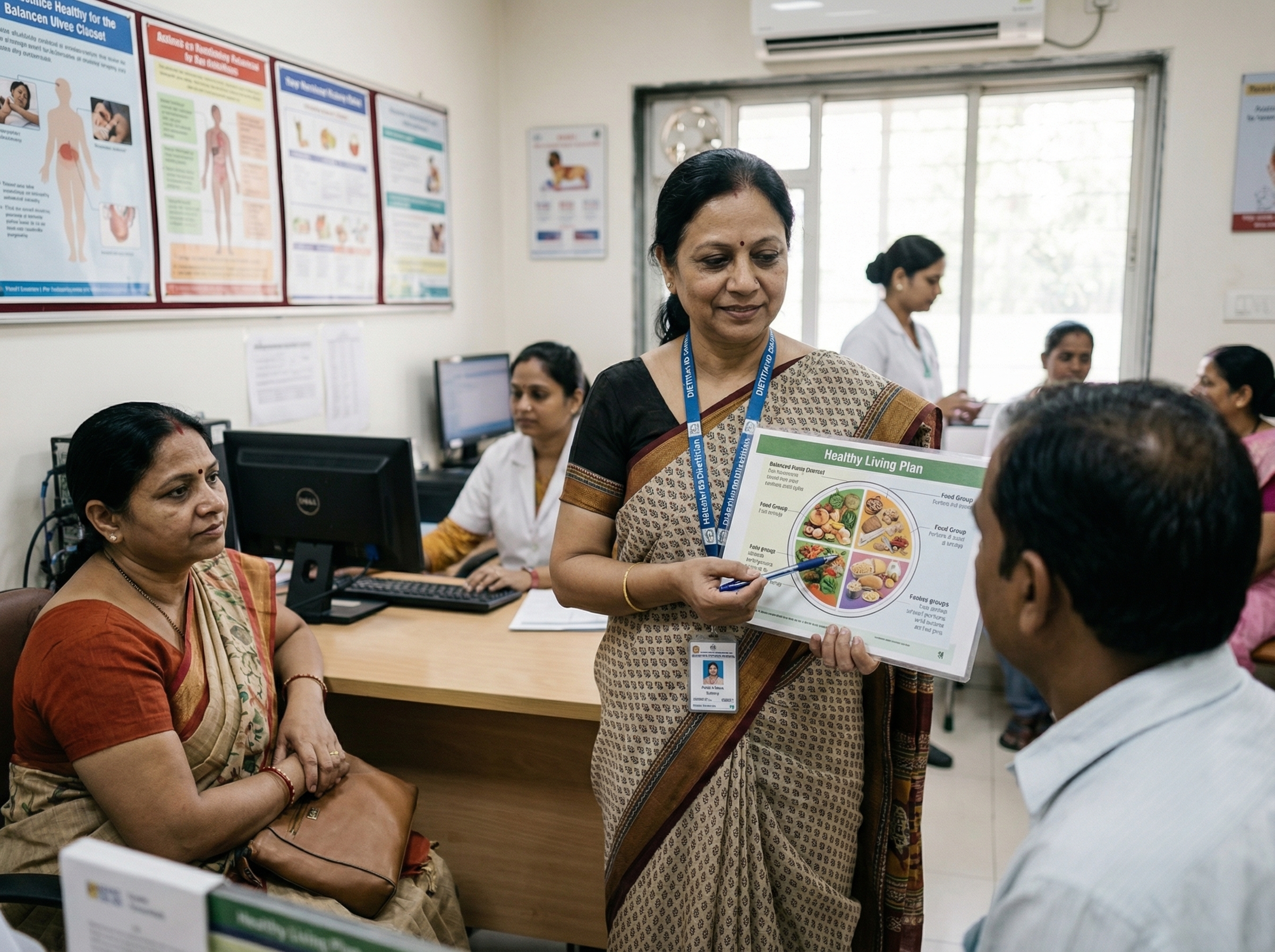
    A. High-protein foods: A diet high in proteins is required during cancer treatment as these foods help repair tissues damaged by chemotherapy, radiation therapy, or surgery and also prevent muscle wasting. Foods rich in protein help maintain body weight, immune function, and strength which helps in better treatment tolerance, improves recovery rate, and reduces the risk of infections. Examples of high-protein food include eggs, Greek yoghurt, lentils and beans, tofu and paneer, and chicken and fish.

    B. Energy-rich foods: Such foods help maintain weight when the patient has low appetite. They also provide necessary calories for tissue repair, to ward off infections, and help manage symptoms due to treatment side effects. Some energy dense foods are avocado, nuts and nut butters, whole grains, and smoothies.

    C. Immune-boosting foods: This mostly includes fruits and vegetables such as berries, citrus fruits, spinach and kale, carrots, and sweet potatoes. All these foods are rich in vitamins and antioxidants.

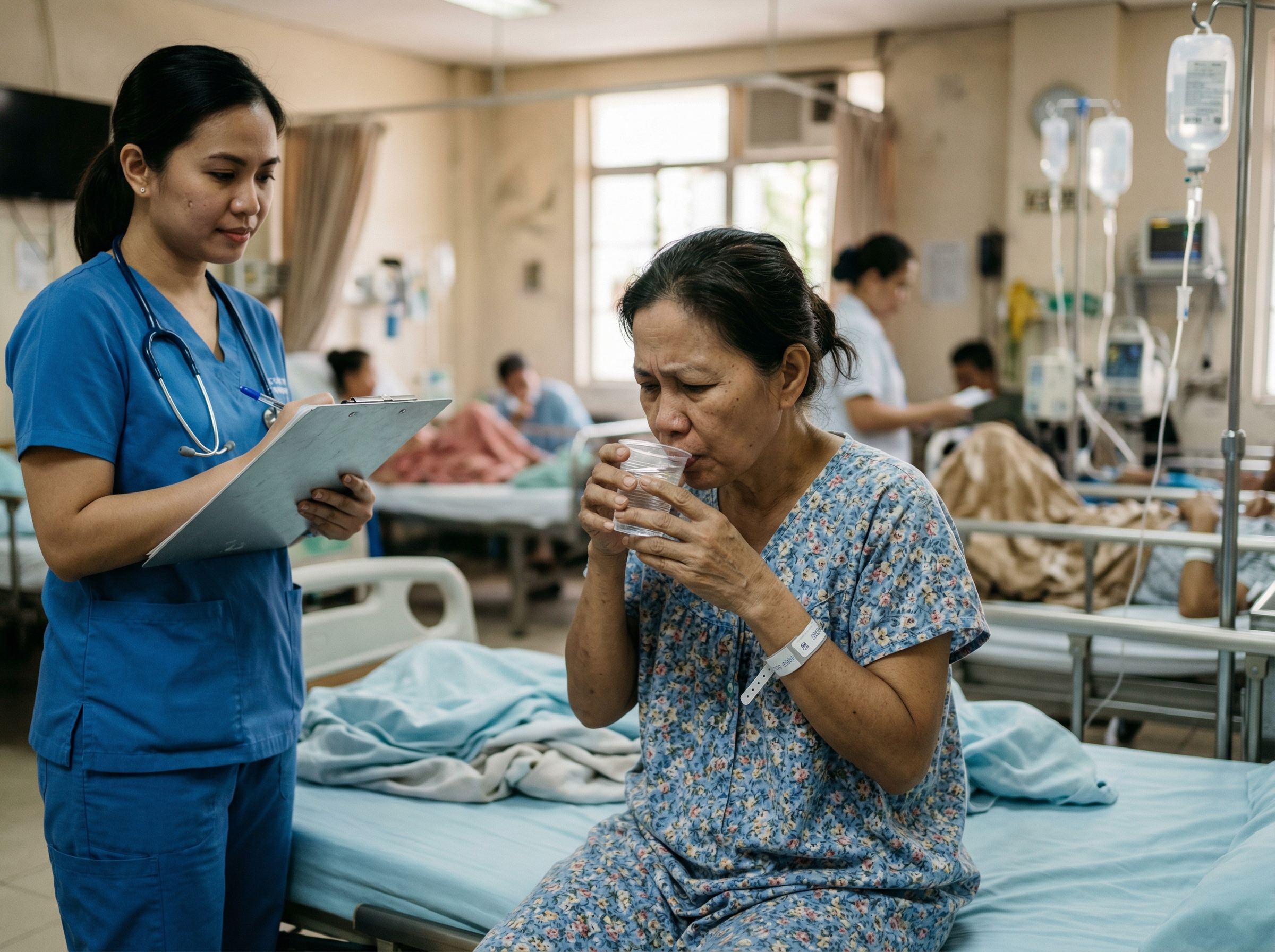
    Other than the above foods, eating easy-to-digest and hydrating food and drinks also helps. While easy-to-digest foods are helpful for nausea and stomach sensitivity, hydrating food and drinks prevent dehydration during treatment. Bananas, rice, oatmeal, yoghurt, soups and broths fall under easy-to-digest food items. To combat dehydration, drinking coconut water, herbal tea, clear soups, and water-rich fruits (oranges and watermelon) are recommended.

    Foods to eat after cancer treatment

    Post cancer treatment and during the recovery stages, whole grains (e.g. brown rice, whole wheat bread), anti-inflammatory foods (e.g. fatty fish, olive oil, nuts, and seeds), gut-friendly foods (e.g. yoghurt, fermented foods), and fresh fruits and vegetables should be consumed more often. It is best to limit or completely avoid highly processed foods, excess sugar or processed meat, and alcohol during recovery period.

    Foods that mitigate treatment side effects

    A. Nausea: Using ginger liberally in meals helps curb the urge to vomit. Eating small, frequent meals rather than heavy ones helps in controlling nausea.
    B. Fatigue: Consuming iron-rich foods such as spinach and beans aids in combating fatigue. The diet should primarily consist of protein-loaded foods that give instant energy.
    C. Mouth sores: For individuals suffering from mouth sores as a result of cancer treatment, eating soft and mashed foods such as mashed potatoes, yoghurt, and smoothies helps.

    Cancer treatment and recovery is a challenging journey that requires good, wholesome food for nourishing the body. Recovery after cancer is a gradual process and good nutrition acts as a powerful tool to help you regain strength and restore vitality. A well-balanced and nutrient-rich diet can help in faster healing by supporting strength, managing side effects, and rebuilding the body post treatment. While consistency is important, listening to your body and adapting to new eating habits will go a long way in improving overall well-being. It is advisable to seek professional guidance from a dietitian or nutritionist who can plan out a tailored diet chart suited to your body needs.

  • How Can Nutrition Support the Body During Cancer Treatment?

    How Can Nutrition Support the Body During Cancer Treatment?

    Cancer is deemed as a physically and emotionally challenging journey. Whether it is chemotherapy, radiation therapy, or surgery, all these methods of cancer treatment can impact a person and take a toll on their body. Not only are the energy levels of the person affected but it also impacts appetite, digestion, and overall well-being. At such a time, nutrition becomes more than mere daily necessity. In fact, it plays a vital, significant role in helping the body cope with treatment and recover more effectively.

    Importance of nutrition during cancer treatment

    Eating to add nutrients and calories to your body is relatively easy when you are healthy. A cancer patient undergoing treatment experiences varied energy levels, along with evident side effects that make nutrition a challenge. Eating well during the course of your treatment is essential because of the following reasons:
    • Makes you feel stronger and maintains your energy levels
    • Preserves your body’s nutrients while maintaining body weight
    • Equips you to tolerate side effects better
    • Lowers your risk of acquiring infections
    • Aids in faster recovery and healing

    Nutritional challenges faced by cancer patients

    The most common side effects that occur as a result of undergoing cancer treatments are:
    • Nausea and vomiting
    • Loss of appetite
    • Fatigue
    • Changes in taste buds
    • Difficulty chewing or swallowing
    • Digestive issues (diarrhea, constipation)

    Vital nutrients required during treatment

    A. Proteins: Proteins help the body to grow, repair body tissue, and preserve immunity. In the absence of adequate amounts of protein, the body breaks down its muscle mass for generating fuel. This can impact the body’s ability to fight against infections. People undergoing cancer treatment need more protein for fighting infections and healing tissues. Good sources of protein include fish, eggs, lean meat, low-fat dairy products, beans and lentils, nuts and berries, and soy foods.

    B. Carbohydrates: Carbohydrate-rich foods are the main source of providing energy for carrying out normal, daily activities. The best sources of carbohydrates are whole grains, fresh fruits and vegetables, etc. These foods also add fibre to the diet which facilitates easy movement of faeces out of the body.

    C. Fats: Fats are another known source of energy and are used to provide insulation to the body tissues and also help in transporting some fat-soluble vitamins in the blood. Monounsaturated and polyunsaturated fats are healthier options compared to trans-fats and partially hydrogenated vegetable oils. Getting more than 10% of calories from saturated fats can increase cholesterol levels and raise the chances of having heart attacks.

    D. Vitamins and minerals: Most of the vitamin and mineral supply is met in the food we eat. However, cancer patients suffer from certain side effects which make eating difficult. It is important to notify your healthcare provider if these side effects continue to prevail for several weeks or months. You might be recommended a dietitian who can put you on a daily multivitamin and mineral supplement.

    E. Water: Having enough water and fluids is vital as you might get dehydrated due to diarrhea and vomiting. To keep yourself well hydrated, drink water as well as other fluids like soups, consume fruits and vegetables containing high content of water such as cucumbers, melons, etc.

    While no tailor-made diet can cure cancer, the right nutritional approach can help prevent unwanted weight loss, maintain strength, support the immune system, and manage treatment-related side effects. Navigating cancer treatment is never easy, but paying attention to nutrition can decide how well the body copes with healing and recovery. Nutritional requirements can vary depending upon the type of treatment, individual health conditions, and personal preferences. Ultimately, the goal is nourishment and comfort of the patient throughout the journey of treatment and recovery.

  • Managing Side Effects of Chemotherapy and Radiation Therapy

    Managing Side Effects of Chemotherapy and Radiation Therapy

    Chemotherapy and radiation therapy play a crucial role in destroying cancer cells. Despite being effective cancer treatment methods, these end up affecting healthy cells in the body. This may lead to various undesirable side effects such as fatigue, nausea, hair loss, and skin irritation, among many others. Managing the side effects caused by these treatments is vital for maintaining overall well-being and quality of life during treatment. This blog explores the common side effects of these treatments and provides practical tips to help manage them.

    Common Side effects of Chemotherapy

    Chemotherapy affects the body as a whole, resulting in systemic side effects. Some of these are mentioned below:
    • Fatigue: This is the most common side effect of chemotherapy. Recovery from treatments and your body’s constant fight against cancer can leave you drained. It can also cause anemia or low blood count, leaving you feeling tired.
    • Nausea and vomiting: Nearly 80% of people who undergo chemotherapy suffer from chemotherapy-induced nausea and vomiting (CINV). This gives a feeling of being sick.
    • Hair loss: This is, by far, is the most apparently visible side effects of chemotherapy which starts taking place within three weeks of starting chemo. Sometimes, the lost hair does grow back after the treatment ends but it may be of a different colour and texture.
    • Loss of appetite: Chemotherapy may bring about a change in the taste buds, making bitter food taste even bitter. In general, all food items may taste metallic.
    • Mouth sores: Mouth sores may develop as a result of chemo, making it difficult to eat food.
    • Increased risk of infections: Chemotherapy often decreases the WBC count, leaving you prone to infections. A weakened immune system raises your risk of infections and falling sick.
    • Changes in skin: Chemotherapy can cause skin irritation. Rashes and sunburn may be common as your skin becomes more sensitive to sunlight.

    Common Side effects of Radiation Therapy

    Radiation therapy also affects the body but its side effects are mostly localized. Given below are common side effects:
    • Skin irritation: In some individuals, radiation therapy may make your skin sore, causing it to be dry and itchy. These changes are noticeable one or two weeks into the treatment.
    • Fatigue: People who undergo radiotherapy often complain of fatigue or feeling of tiredness. Even everyday chores make them tired easily.
    • Hair loss (localized): Unlike chemotherapy, radiation therapy causes localized hair loss, in the area exposed to radiations. Very rarely, the hair loss is permanent.
    • Difficulty swallowing (If treatment is near throat): A couple of weeks into radiation treatment, you might notice mouth ulcers and sores which make it difficult to swallow or ingest food. This usually happens if radiotherapy is given to the head, chest, neck, or esophagus area.
    • Digestive issues (depends on treatment area): You may experience changes in your bowel habits after undergoing radiation therapy to your stomach or pelvic area. Diarrhoea is the most common symptom of radiotherapy.

    Practical Ways to Manage Side Effects

    Given below are some practical tips to manage side effects caused by chemotherapy and radiation therapy.
    1. Fatigue: To combat fatigue, you should plan your daily activities while prioritizing rest and taking short naps. Strictly maintaining sleep routine is advisable.
    2. Nausea and vomiting: Eating meals right before or after chemotherapy session can increase the feeling of nausea and vomiting. So, plan your meals mindfully. Avoid oily, greasy, and strong-smelling food which can precipitate the felling of nausea. Staying well hydrated is important.
    3. Hair loss: Coping with hair loss can be difficult, especially if you start losing hair on your head. You can either use a synthetic wig or use headwear such as scarves to cover the patches.
    4. Skin problems: When your skin feels extra sensitive, use a mild soap and moisturizer. Avoid harsh sunlight and use a sunscreen of SPF 30 or higher before you step outside. Wearing a large-brimmed hat also helps.
    5. Mouth sores: Eat soft food and maintain good oral hygiene by using a mouthwash, if required. Avoid eating extra spicy or salty foods when you suffer from mouth sores.
    6. Weakened immunity: When your immune system is compromised, stay protected by getting yourself vaccinated. Maintain good hygiene by frequently washing hands to prevent infections.
    7. Loss of appetite: Eat healthy and small, frequent meals instead of three large meals a day.

    While chemotherapy and radiation therapy are effective treatments against cancer, the ensuing side effects can be challenging for many patients. With the right combination of medical guidance, proper care, rest, and emotional support, many of these side effects can be effectively reduced and controlled. It is important for patients to communicate freely with their healthcare team if the side effects still persist. Under the caregivers’ guidance, the patient can safely navigate treatment and completely recover from the side effects with the passage of time.

  • How to Prepare for Chemotherapy: A Step-by-Step Patient Guide

    How to Prepare for Chemotherapy: A Step-by-Step Patient Guide

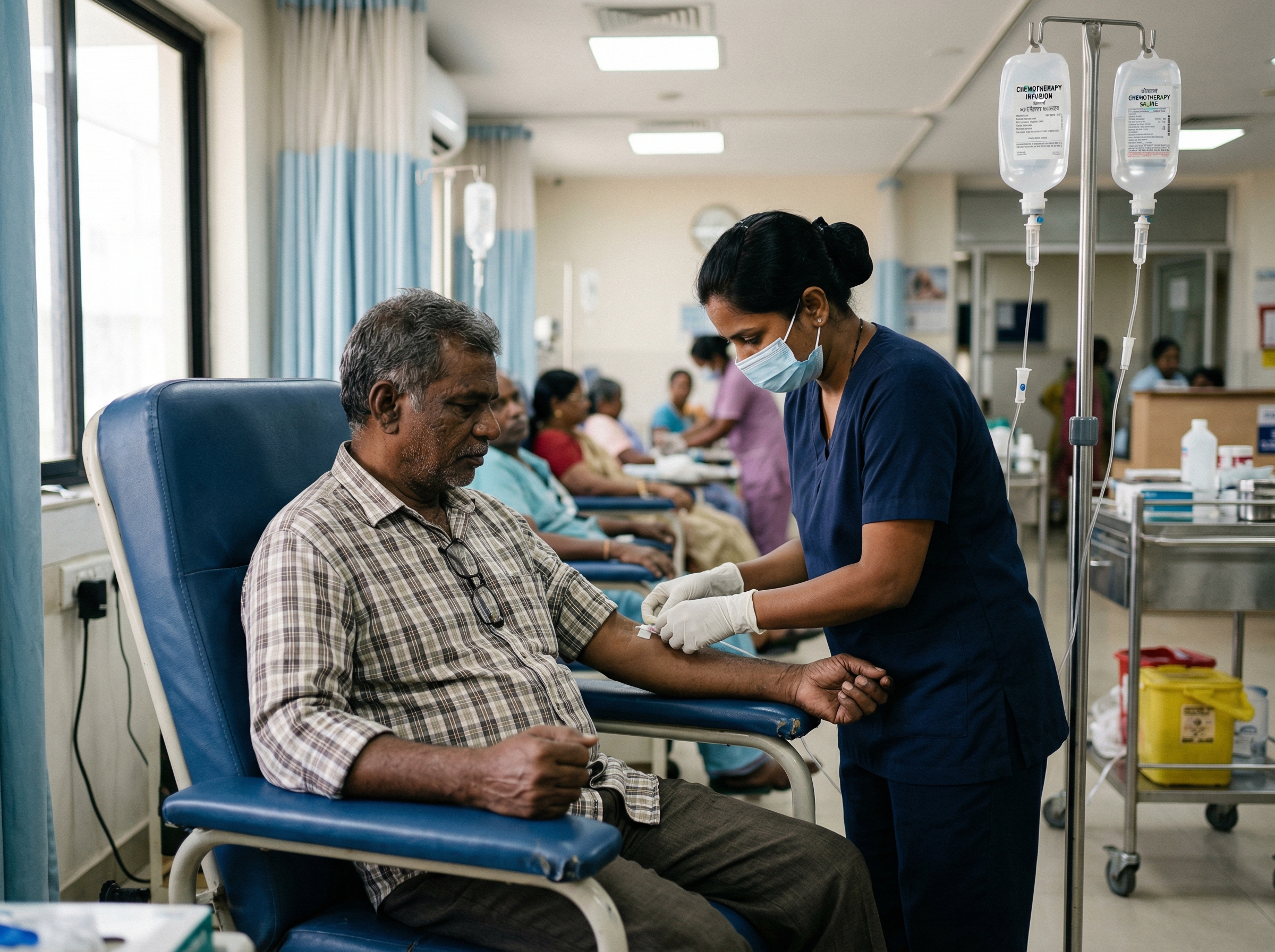
    Chemotherapy is one of the potential treatment modalities offered to cancer patients. Chemotherapy can be used alone or in combination with other treatments such as surgery, radiation therapy, and targeted therapy. Although a powerful and often life-saving treatment, chemotherapy experience can be physically and emotionally draining. However, the good news is that with thoughtful preparation, you can make a meaningful difference in how you cope with this journey. This blog acts as a step-by-step user-friendly guide on how to prepare for chemotherapy.

    Understanding your chemotherapy

    It is important to understand how chemotherapy works, the types of chemo given (IV or oral), and the cycles, including duration and frequency. Chemotherapy often results in side effects. So, it is good to know beforehand what to expect after the chemo is done and about the expected outcomes.

    Preparing for chemotherapy isn’t just about medical readiness but more about taking care of your whole being. From understanding your treatment plan to organizing your daily life before you step into chemotherapy sessions, each step is necessary to fortify you and build an emotional resilience.

    Practical step-by-step tips to follow before chemotherapy

    1. Preparing your body: Care should be taken to keep yourself as fit as possible before and during chemotherapy. Eat wholesome, nourishing food and stay adequately hydrated. Give your body rest by maintaining a healthy sleep pattern. Regular exercise and good nutrition can go a long way in mitigating the ill effects of chemotherapy.

    2. Organize your home: If you have children, arrange for house help for childcare, doing the household chores, or looking after pets. Stocking up on essentials such as medicines, frozen foods, hygiene items will reduce your anxiety once you return home from your chemo session.

    3. Pack a bag of essentials: Pack some comfortable clothing, including warm clothes in a bag to take along with you. Carry some healthy snacks to munch and a lip balm to soothe cracked lips after chemotherapy. Other than these items, you may want to carry along a book to read or headphones for listening to some calming music.

    4. Prepare to manage side effects effectively: Some of the common side effects of chemotherapy include fatigue, nausea, hair loss, etc. Talk to your healthcare provider/team about whether you can take medication to prevent nausea and vomiting. If hair loss is a concern, it is better to have it cut or arrange for an artificial wig before treatment begins. Some chemotherapy may affect your fertility. If you plan to have children post chemotherapy, you need to clarify about this with your specialist before embarking on chemo sessions.

    5. Talk to your employer: Taking your employer into confidence, you can see how you can manage work around chemo sessions. Knowing that chemotherapy will leave you feeling fatigued, it is better to ask for flexible work options and timing, allowing you room for an off whenever required.

    Your experience with chemotherapy is personal and it’s alright to move at your own pace while prioritizing your well-being. With the right preparations done in advance, chemotherapy can seem less daunting. You need to build a strong support system around yourself, including your healthcare team and loved ones who can have your back at times of uncertainties. Remember, you are not alone in this journey and each step you take will inch you closer towards feeling more confident and in control.

  • What Questions Should You Ask Your Oncologist at the First Visit?

    What Questions Should You Ask Your Oncologist at the First Visit?

    As you walk into your oncologist’s room for your first appointment, your mind is clouded with mixed feelings—fear, uncertainty, and countless questions weave a zig-zag pattern inside your brain. Nevertheless, this first visit is important as it will lay the foundations for helping you to understand your diagnosis, explore available treatment options, and building a rapport with your healthcare provider. Asking the right questions will help you stay informed, more in control, and better prepared for what lies ahead. This blog lists down the major questions that you can ask your oncologist during your first appointment.

    Preparations before visiting your oncologist

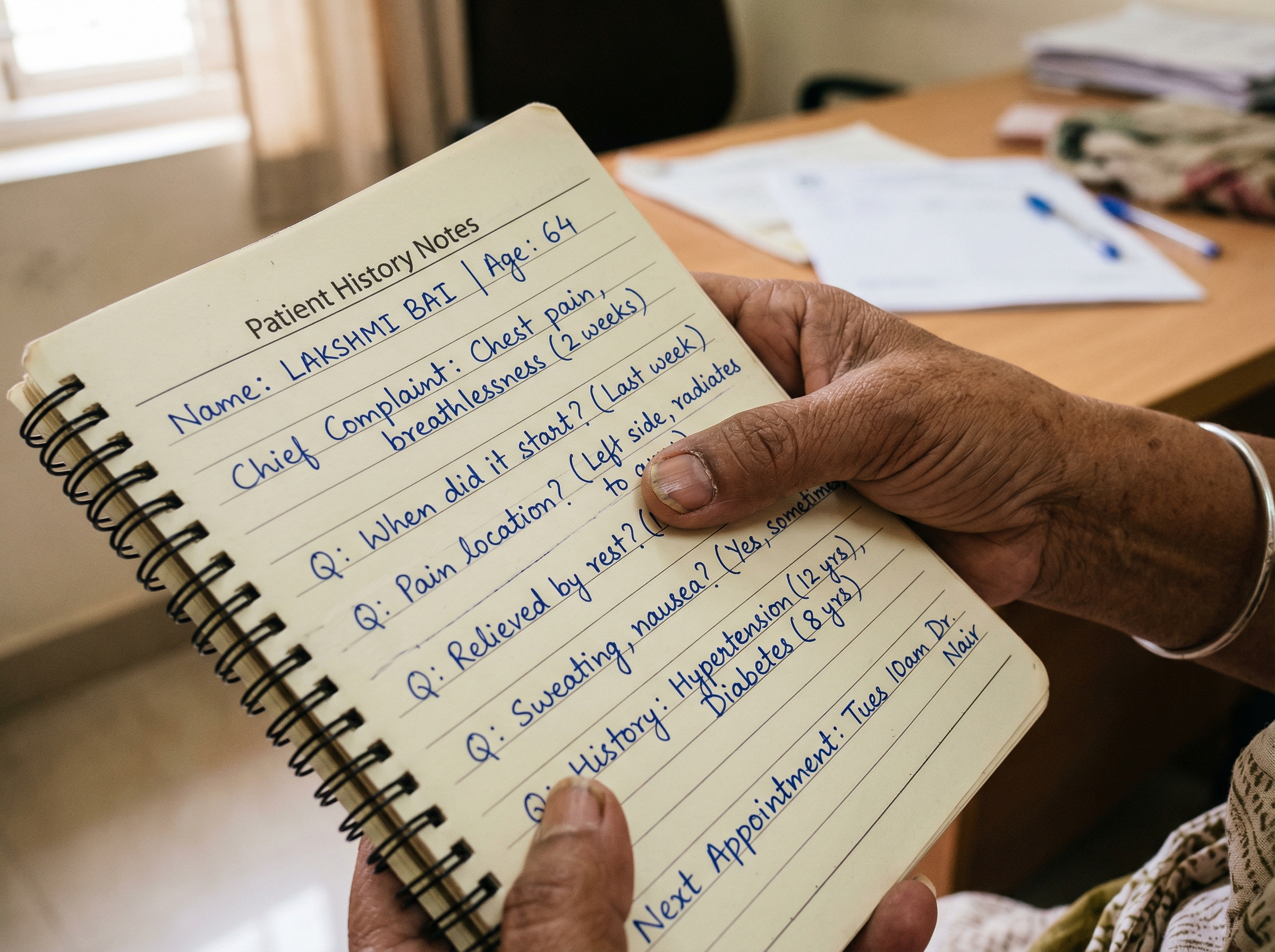
    As this is going to be your first visit to an oncologist, you need to be mentally and emotionally prepared. It is advisable to take a trusted friend or family member along with you for your first visit. Take a notebook also to pen down important instructions and advice given by your healthcare provider as you would practically not be in a condition to remember all the information. Finally, make this session as interactive as possible by proactively asking questions and clarifying all your doubts.

    Crucial questions to ask your Oncologist

    Q.1. What type of cancer do I have?
    This is probably the very first question that comes to your mind. Once you know which part of your body is affected by cancer, you would want to know the stage of cancer and also if it has the potential to spread to nearby areas (metastasis).
    Q.2. What are my treatment options?
    Having known about the type of cancer, the next thing that comes to mind is whether it is treatable. Knowing the goal of treatment is necessary—whether it is to provide cure, control, or symptom relief. Next, you may want to know if there are any on-going clinical trials for the same condition. Depending upon the severity of your condition, you may want to know how soon the treatment can be started.
    Q.3. What side effects and risks should I expect?
    Cancer treatments have potential side effects. As a patient, it is your right to know the severity of the side effects of the treatment. You would also be curious to find out if these can be prevented and ways to manage them effectively. Also, important to note here is that certain treatments affect fertility, daily life, and work. It becomes essential at this point to know if these aspects of your life will get affected in any way as a result of cancer treatment.
    Q.4. What are my chances of recovery?
    As a vigilant patient, it is your duty to ask your oncologist about the disease prognosis. To know the pros and cons of treatment and success of recovery is the right of every patient. It is worth mentioning here that alternate treatment course should also be discussed in case the treatment doesn’t work as planned.
    Q.5. How long will my treatment last?
    During the course of the treatment, you will be required to visit the hospital multiple times. Knowing about the frequency of hospital visits, likely cost to be incurred, and whether it is covered under insurance are some of the other information that you should ask and be aware of. Lastly, enquire about the support services offered to you (e.g. nutritionists, counsellors, and support groups).
    Q.6. Can I carry out normal activities during and after treatment?
    If you exercise regularly, you would be curious to know whether you can continue with your work outs or stop them. Along with this, confirming about dietary restrictions (if any) and activities to be avoided should be clearly understood. Finally, tips should be given for coping with anxiety, depression, and other mental health issues.
    Q.7. Who will be my point of contact during the treatment?
    Now that you are reaching the end of your appointment, do not forget to ask about your point of contact for all communications—if you have any questions or regarding the next follow-up visits. Someone should be appointed to guide you regarding frequency of your review and provide details of your treatment progress.

    Your first visit to your oncologist can be quite overwhelming. However, it is vital in understanding your condition and taking meaningful steps forward. By being inquisitive, revisiting information, and having an open communication, you can build trust and reliability on your oncologist throughout your treatment journey. Being informed isn’t just helpful—it’s empowering!

  • Preparing for Your First Oncology Consultation: What to Expect

    Preparing for Your First Oncology Consultation: What to Expect

    The idea of facing your first oncology consultation can be quite overwhelming. It is completely natural to feel this way—unsure about what lies ahead. There may be a lot of questions, doubts, and uncertainties making their way in your mind. To allay all of such feelings, your first oncology consultation comes to the rescue. This first meeting with your oncologist is an important step towards understanding your diagnosis, navigating treatment options, and restructuring a plan tailored to your specific needs. This blog helps give a clear idea on what to expect and how to prepare for your first oncology consultation.

    Purpose of the first consultation

    The first oncology consultation that you have with your healthcare provider is the first step toward clarity and care. The primary goals of this visit include confirming your diagnosis, discussing test results, and outlining possible treatment options. A typical oncology consultation lasts for about 45 to 60 minutes and is dedicated mostly to discuss about comprehensive oncology diagnosis, findings, and treatment options.

    Essential documents to carry along with you

    Your oncologist would require a complete understanding of your family medical history as well as review imaging /lab results. So, remember to carry along these essential documents when you go in for your first oncology consultation. These include:
    • Family medical history
    • Biopsy reports
    • Imaging scans (CT, MRI, PET)
    • Blood test results
    • List of medications (including supplements)

    During the appointment

    Your oncologist would carry out the first consultation in a streamlined manner. The step-wise breakdown of the entire appointment is given below:
    1. Review of medical history: A review of your family medical history is vital as more often than not, having a close relative who has/had cancer increases your chances of having cancer too.
    2. Physical examination: Other than diagnostic or laboratory test reports, your oncologist may want to carry out a thorough physical examination for you to assess your health and look for possible signs and symptoms of cancer. For example, presence of lumps in breast may be indicative of breast cancer.
    3. Discussion of diagnosis and staging: With the help of the reports that you carry, your oncologist will be able to give you an insight about your diagnosis and the correct staging of cancer. This will help you understand the prognosis better and what to expect during the course of your treatment.
    4. Explanation of treatment modalities: Having gained clarity on your diagnosis, your oncologist would now explain the various treatment options available for your particular type of cancer that you are suffering from. You may come across medical terminologies that you are unaware of. Feel free to ask your oncologist to explain the terms in an easy-to-understand manner.
    5. Possible additional tests: At times, your oncologist may require you to undergo additional confirmatory tests, if the preliminary reports are not satisfying.

    Questions you can ask your oncologist

    While your first oncology consultation may sound baffling to you, you can prepare yourself well in advance by having a set of questions ready for your healthcare provider. Some of the queries that you can ask your oncologist include:
    • What type and stage of cancer do I have?
    • What are my treatment options available?
    • What are the side effects of the treatment?
    • What is the goal of treatment?
    These questions can better equip you to understand your diagnosis and how to go about the treatment. It is advisable to take notes during your first consultation and to bring along a trusted friend or family member as your mind may not be ready to register all the information at once.

    Remember, your first oncology consultation is an opportunity to gain clarity about your diagnosis, understand your treatment options, and start working towards a plan suited to your needs. Preparation can help you feel more confident as you move toward a more informed and guided journey ahead. While there may be moments of uncertainty, you can arm yourself with the right information by asking thoughtful questions and reaching out to seek support whenever needed. By having an open and honest communication with your oncologist, you can have a seamless first oncology consultation.