Category: Blog

  • Understanding the Stages of Cancer: What They Mean for Treatment

    Understanding the Stages of Cancer: What They Mean for Treatment

    Cancer treatment requires a multidisciplinary team of specialists who work together to arrive at the best cancer treatment modality. For doing so, it becomes essential to know the exact stage at which cancer is presently. Staging of cancer is a universal language identified and recognized by healthcare providers.

    Stages of cancer

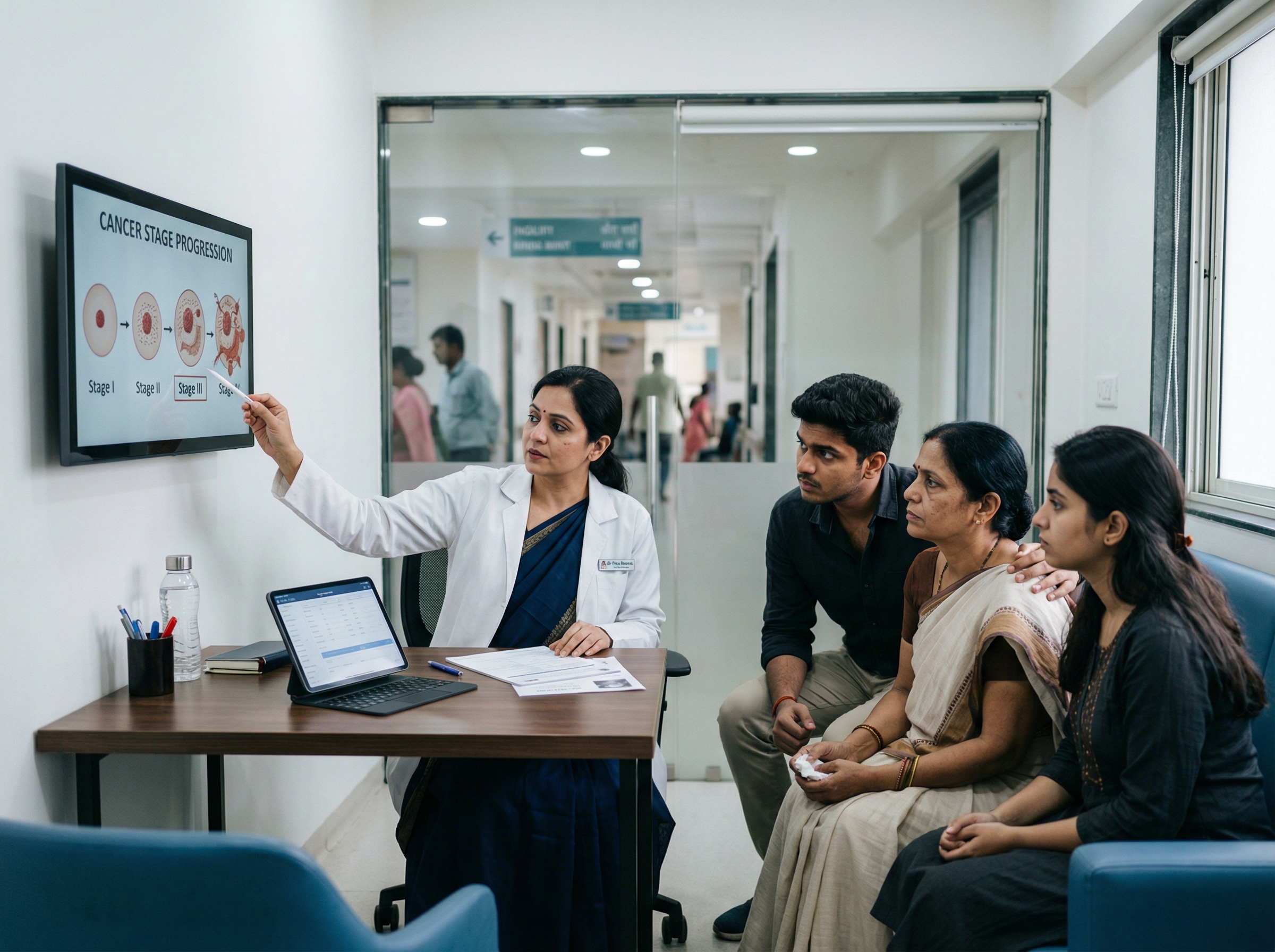
    Generally, cancer can be divided into 5 stages—starting at stage 0 and going up to stage IV. Cancer staging is needed to help identify the extent of spread of cancer in the body. Each stage of cancer is briefly described below:
    • Stage 0: This is the starting stage of cancer, in which abnormal cells have not spread elsewhere in the body.
    • Stage I: This stage is marked by the appearance of a small tumor, localized in a particular area.
    • Stage II: By this stage, the tumor grows larger in size, with possible infiltration to nearby lymph nodes.
    • Stage III: The tumor grows deeper into the surrounding tissue and even spreads to the lymph nodes.
    • Stage IV: This is considered as the last stage of cancer. By now, cancer metastasizes to other tissues and distant areas of the body.

    How is cancer staging done?

    Cancer staging requires knowledge about the size of the tumor, its location, and whether it has metastasized (spread) to other parts of the body. For this, the TNM system is commonly employed. TNM stands for:
    • T (Tumor): Measures the size of the tumor.
    • N (Nodes): Determines whether cancer has spread to nearby lymph nodes.
    • M (Metastasis): Evaluates how far the cancer has spread and whether it has affected distant organs, such as lungs, liver, or bones.

    Decoding A, B, C, and D in cancer staging

    At times, healthcare providers divide the 5 stages of cancer further into categories A, B, C, or D. Sometimes your healthcare provider may use terms such as stage IIA (2A) or IIIB (3B) of cancer. These alphabets offer more insight into your diagnosis.

    Generally, “A” denotes less aggressive and slower growing cancers while “D” describes, faster growing and more aggressive cancers within each numeric stage of cancer. This means that stage IIA is less aggressive than stage IIB whereas stage IIIA cancer is more aggressive than stage IIB cancer.

    Diagnostic techniques to assess cancer staging

    The following diagnostic techniques are usually employed to determine cancer stage:
    • Computed Tomograpy (CT) Scan: CT scan helps healthcare providers to identify early-stage cancers, along with the location of the tumor.
    • Positron Emission Tomography (PET) Scan: Using PET scan, healthcare providers can determine how far the tumor has spread to distant areas of the body.
    • Endoscopy: In this technique, a thin endoscopic tube is inserted into hollow organs to check for signs of cancer.
    • Biopsy: Tissue samples are taken to analyse for more information about cancer.
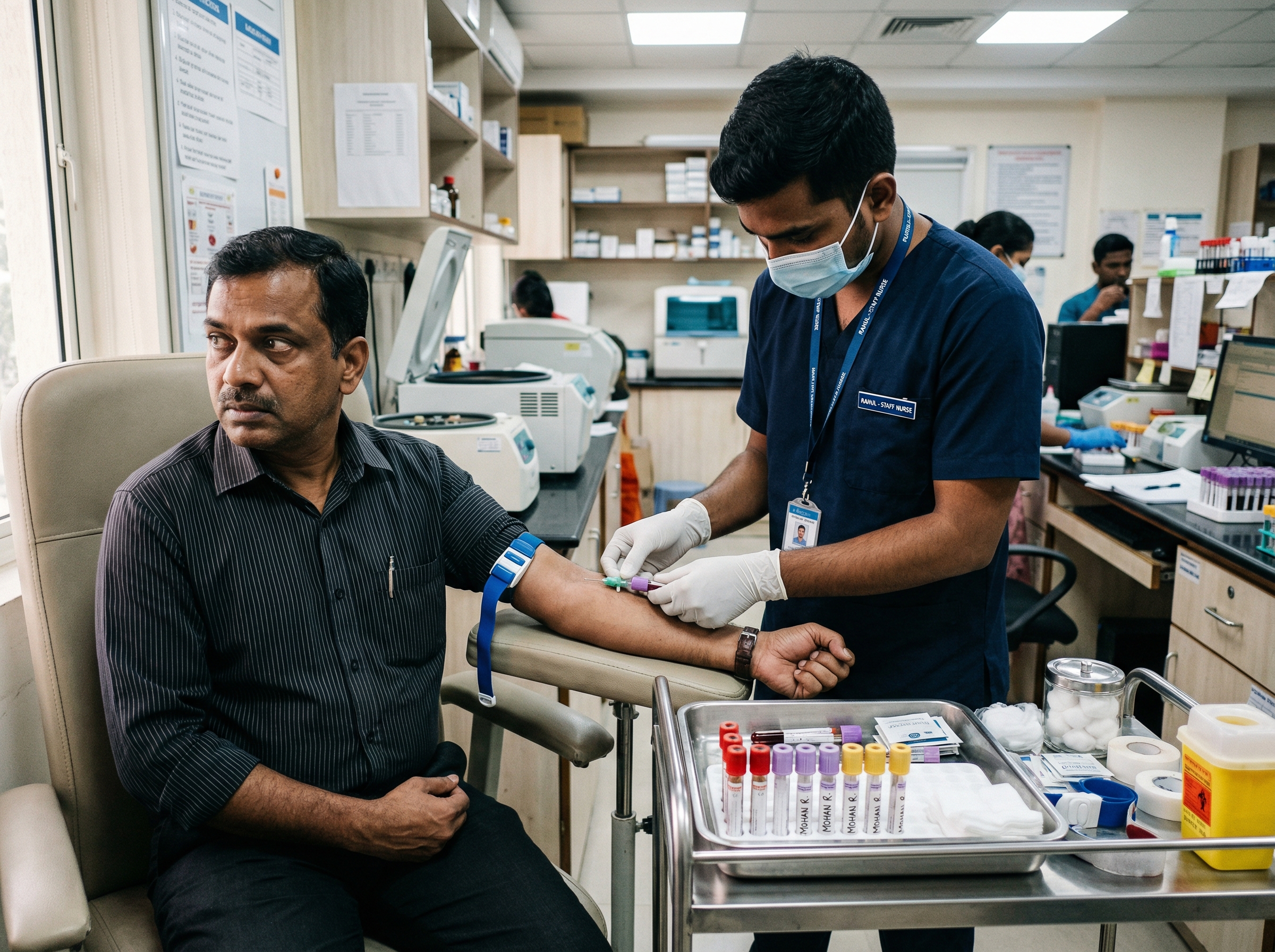
    • Blood tests: Tumor markers are substances present in the blood or serum which helps determine tumor size or the amount of cancer in the body.

    Importance of staging of cancer

    1. Treatment Planning: Staging of cancer helps in determining if the tumor in question requires a localized treatment (e.g. surgery, radiation) or systemic therapy (e.g. chemotherapy, immunotherapy).
    2. Universal language of care: To provide a uniform and streamlined method of cancer care, staging of cancer helps in maintaining uniformity.
    3. Supporting Research: Staging of cancer is essential for enabling clinical trials and research to improve cancer treatment.
    4. Patient Expectations: Often, patients diagnosed with cancer want to know about their prognosis and expected outcome. Cancer staging helps healthcare providers deliver the right prognosis.

    Cancer symptoms are often not observed until the time it is too late. Early identification of the cancer stage helps in deciding appropriate treatment plans to treat and curb its spread. Although this alpha-numeric method of staging cancer can be confusing for the patients, it is helpful for the healthcare provider to create treatment plans, collaborate with fellow oncology specialists, and develop a prognosis for the patient.
  • A Complete Guide to Cancer Screening Tests for Women

    A Complete Guide to Cancer Screening Tests for Women

    Cancer remains one of the leading causes of death in women worldwide. However, there’s good news that most cancers can be detected early or even prevented through regular screening. Cancer screening tests for women are aimed to identify changes in the body even before symptoms start to appear. Through early detection, more treatment options, less aggressive therapies, and significantly better survival outcomes can be achieved.  Yet, many women skip or delay in getting these vital screening tests due to lack of awareness, fear, or shame. Among females, the most common cancers are breast, cervical, ovarian, colorectal, and lung cancers.

    Vital cancer screening tests for women

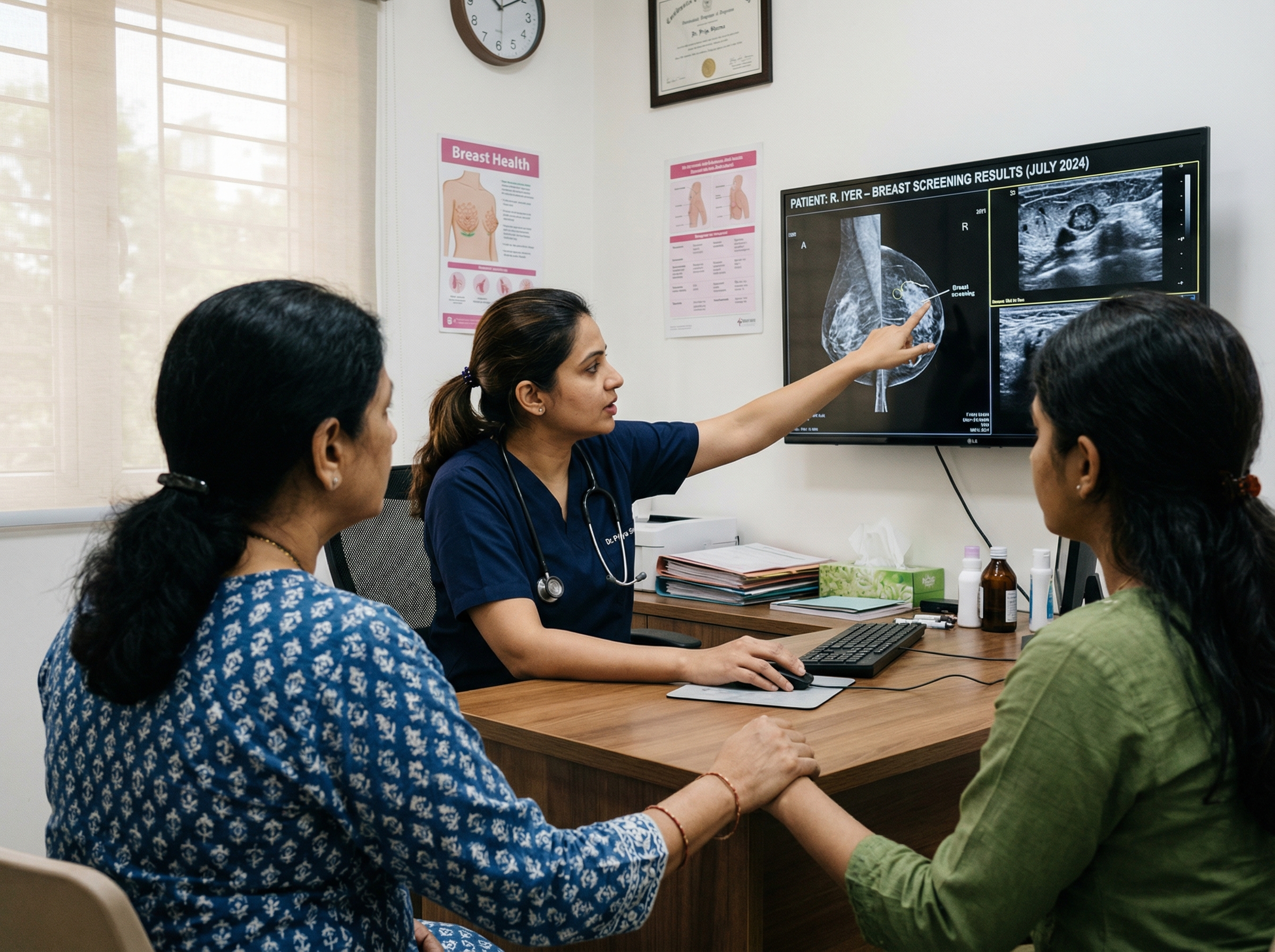
    • Breast cancer screening: Women who are above 40 years should undergo regular screening for breast cancer detection. It can be done either using a mammogram, breast MRI (Magnetic Resonance Imaging), and through self-breast examination.
    i. Mammogram: It is an X-ray of the breast and one of the best ways for early cancer detection. With the help of mammograms, cancer can be found even before lumps or symptoms appear.
    ii. Breast MRI: In this procedure, pictures of the breast are taken using magnets and radio waves. This technique is coupled with mammograms to detect breast cancer in high-risk females.
    iii. Self-breast examination: Any changes in breast size or shape or the appearance of lumps can be easily felt during self-breast examination.
    • Cervical cancer screening: Cancer of the cervix can be screened either by PAP smear or by HPV testing.
    i. PAP smear: Females who are between 21 and 30 years should get this test done once in every three years. For women who are bit older (30-65 years), this screening test should be done every five years. PAP test looks for abnormal changes in cervical cells before they turn cancerous.
    ii. HPV testing: An HPV (Human Papillomavirus) test looks for cervical cancer by examining a sample of cervical cells.
    • Ovarian cancer screening: Ovarian cancer screening is carried out through pelvic examinations or transvaginal ultrasound (TVU). Other than this, CA-125 blood test is done to measure the amount of a protein in blood that is often higher in women with ovarian cancer.
    • Colorectal cancer screening: Colonoscopy and sigmoidoscopy are usually performed to look for abnormal polyp growths that can later turn cancerous. Other than these tests, certain faecal occult blood tests (FOBT) and immunochemical FOBT are also carried out to detect colorectal cancer.
    • Lung cancer screening: This is done using low-dose helical CT (Computed Tomography) scan. This screening test is carried out in women who are heavy smokers.

    Prioritizing regular cancer screenings among women is an important step towards safeguarding their long-term health. Screening not only helps in detecting and treating cancers in the early stages but also prevents certain cancers from developing altogether. It is important for every woman to stay informed and understand her personal risk factors against cancers common to females. By being proactive, scheduling regular screening tests, and staying aware of any abnormal changes in the body, a significant difference in women’s health and well-being can be achieved.

  • A Complete Guide to Cancer Screening Tests for Men

    A Complete Guide to Cancer Screening Tests for Men

    Just like women, men are also prone to cancers of various types such as prostate, colorectal, lung. However, males are less likely than females to go for routine screening tests. Lack of awareness, busy lifestyles, and fear of diagnosis often deter men from seeking regular medical check-ups. Cancer screening tests for men are designed to identify signs of the disease even before symptoms appear. Knowing which tests to take and when to take can be quite confusing. This blog highlights the important screening tests for men in a detailed manner.

    Crucial cancer screening tests for men

    Men, who are at high-risk of cancer or in the age group above 40 years, should undergo routine cancer screening tests. Listed below are the important screening tests every male should undergo:
    • Prostate cancer screening: Prostate cancer is more common in older men. To detect it during the early stages, the most commonly employed tests are:
    i. Digital Rectal Exam (DRE): In this examination, the rectal area is felt for lumps or anything else that feels abnormal, such as an enlarged prostate.
    ii. Prostate-specific antigen (PSA) test: This is a blood test which measures the level of PSA in the blood. PSA is a substance that is produced by the prostate gland but is present at abnormally high levels in males who suffer from prostate cancer.
    iii. Prostate Cancer Gene 3 (PCA3) RNA test: This test is used for confirmation if a man’s blood shows high PSA levels but the biopsy of the prostate did not show cancer. For this, a sample of urine is taken after a DRE has been conducted to measure the amount of PCA3 RNA in the urine.
    • Colorectal cancer screening: Colonoscopy and sigmoidoscopy are commonly used to detect abnormal polyp growths that may develop into cancer over time. In addition to these procedures, tests such as faecal occult blood tests (FOBT) and immunochemical FOBT are also performed to help identify colorectal cancer.
    • Lung cancer screening: This is performed using a low-dose helical CT (Computed Tomography) scan. The screening is typically conducted in men aged 50 to 80 years who have a history of heavy smoking.

    Risk factors in men that may require early screening

    Men who are at a higher risk of acquiring certain types of cancers should make screening tests a priority. Some of the risk factors associated with cancers in men include:
    • Family history of cancer: If you have a close relative (e.g. father, brother) who is suffering from prostate cancer, your chances of getting the same goes higher.
    • Smoking and use of alcohol: Lung cancer is triggered by smoking, especially in heavy, chain smokers.
    • Obesity and sedentary lifestyle: Leading a sedentary lifestyle, devoid of exercises, can increase body weight in due course of time. In general, obese or overweight men are more susceptible to cancer.
    • Occupational hazards: Exposure to certain chemicals falls under occupational hazards. These chemicals (e.g. asbestos) bring about changes in DNA which can cause cancer.

    Taking charge of your health begins with awareness and timely action. Staying vigilant about early signs exhibited by your body can make a life-saving difference. Regular consultations with your healthcare provider can help create a screening plan, especially tailored to meet your individual needs. After all, early detection not only increases the chances of successful treatment but also reduces treatment cost and complexity.

  • What Are the Benefits of Preventive Oncology and Early Screening?

    What Are the Benefits of Preventive Oncology and Early Screening?

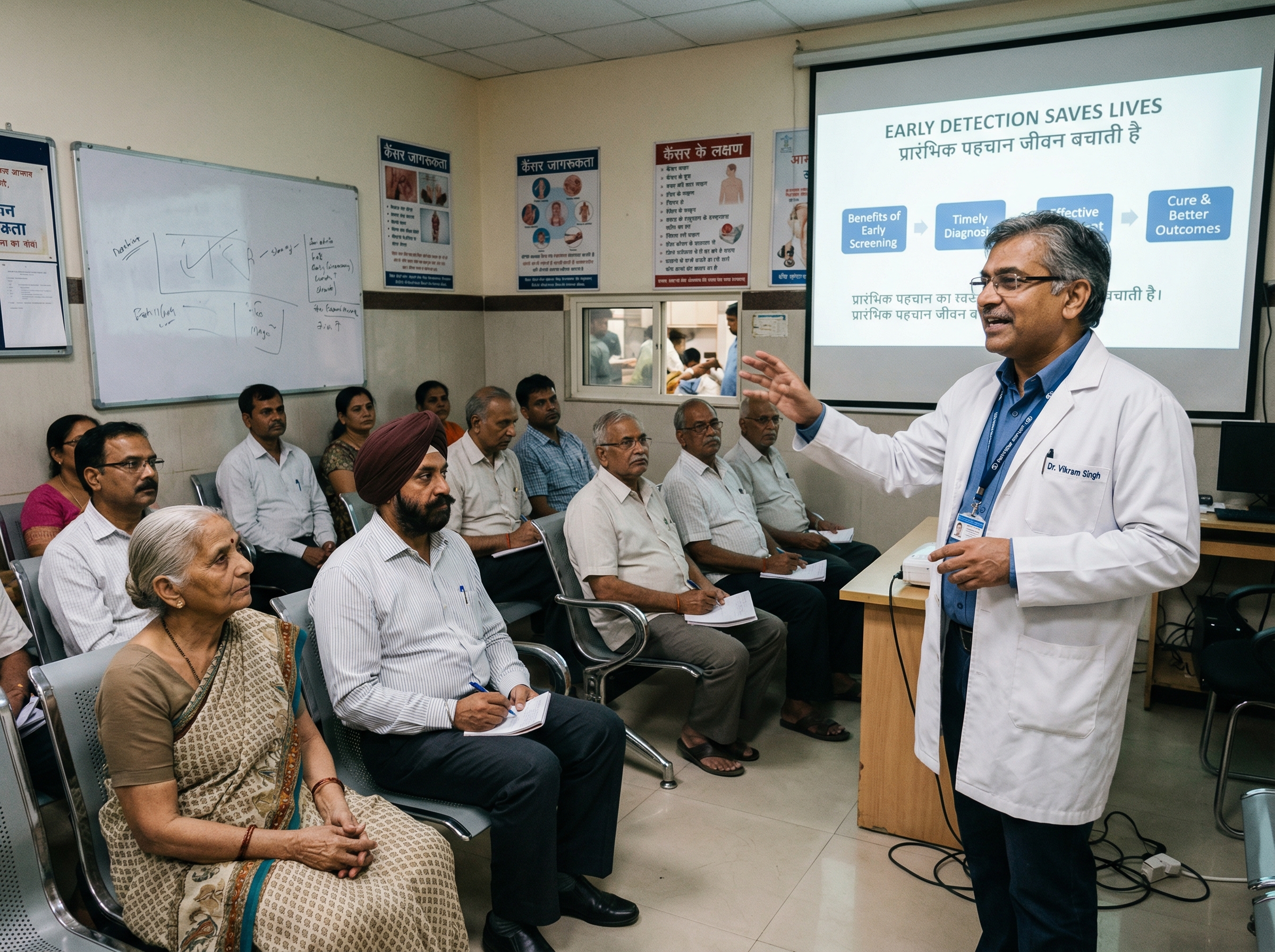
    Preventive oncology is a branch of medical science which focuses on reducing the incidence of cancer and its related deaths by adopting a healthier lifestyle, vaccinations, and detecting cancer through early screenings.
    On the other hand, early cancer screening means testing individuals for cancer even before they exhibit symptoms to detect the disease at its earliest stages when they are most treatable. Some common examples of screening tests include:
    • Mammography for breast cancer
    • Colonoscopy for colorectal cancer
    • Pap smear and HPV testing for cervical cancer
    • Low-dose CT scan for lung cancer

    Who should consider Preventive Oncology?

    There are certain individuals who are considered to be at a higher risk of developing cancer. Individuals falling under this category include:
    • Those with a family history of cancer
    • People over a certain age group (over 40 years)
    • Those with lifestyle risk factors (e.g. smoking, drinking alcohol, obesity)
    • People with genetic mutations associated with cancer

    Some Early Detection Strategies

    The role of early detection in cancer prevention cannot be overlooked. By undergoing few detection strategies, cancer can be diagnosed early and treated well.
    • Routine check-ups: People in their 40s are recommended to undergo most cancer screenings, especially if they are at a higher risk.
    • Targeted screenings: Breast, colorectal, and cervical cancers have high survival rates, if detected early. Emerging technology in cancer screening such as Multi-Cancer Early Detection (MCED) test utilizes blood samples to identify DNA/protein signals from various cancer types.
    • Symptom awareness: Being aware of early warning signs of cancer such as unexplained weight loss, changes in bladder/bowel habits, persistent fatigue, unusual lumps, etc. is crucial for timely diagnosis.

    Key Benefits of Preventive Oncology and Early Screening

    • Improved survival rates: Cancer, if identified early, has greater survival rates than when identified during late stages. Early identification makes treatment easier.
    • Less aggressive treatment: Cancer that has been identified during the late stages, need rigorous treatment such as intensive chemotherapy and extensive surgery. When identified early, simpler cancer treatment modalities suffice.
    • Lower healthcare costs: Treating early-stage cancer is typically less expensive than cancer that has been detected at an advanced stage. Fewer complex procedures and reduced hospital stays lower the burden of healthcare costs.
    • Enhanced quality of life: Early medical intervention leads to faster recovery from cancer, with fewer complications. The patients are able to maintain a more normal and healthier lifestyle.
    • Better risk management: By using the tools of preventive oncology and early screening, individuals with high genetic and lifestyle risk can be identified. This can happen when such individuals proactively undergo preventive monitoring and follow strategies for cancer prevention.

    As awareness around cancer prevention grows, preventive oncology is fast becoming an integral part of healthcare systems around the world. While preventive oncology works around identifying risk factors, promoting healthy lifestyle choices, and implementing screening programs, early screening tests are designed to identify abnormal changes in the body even before symptoms appear. With advancement in medical technology and research, preventive oncology and early screening will continue to remain key pillars in protecting public health.

  • How Does Obesity Increase the Risk of Developing Cancer?

    How Does Obesity Increase the Risk of Developing Cancer?

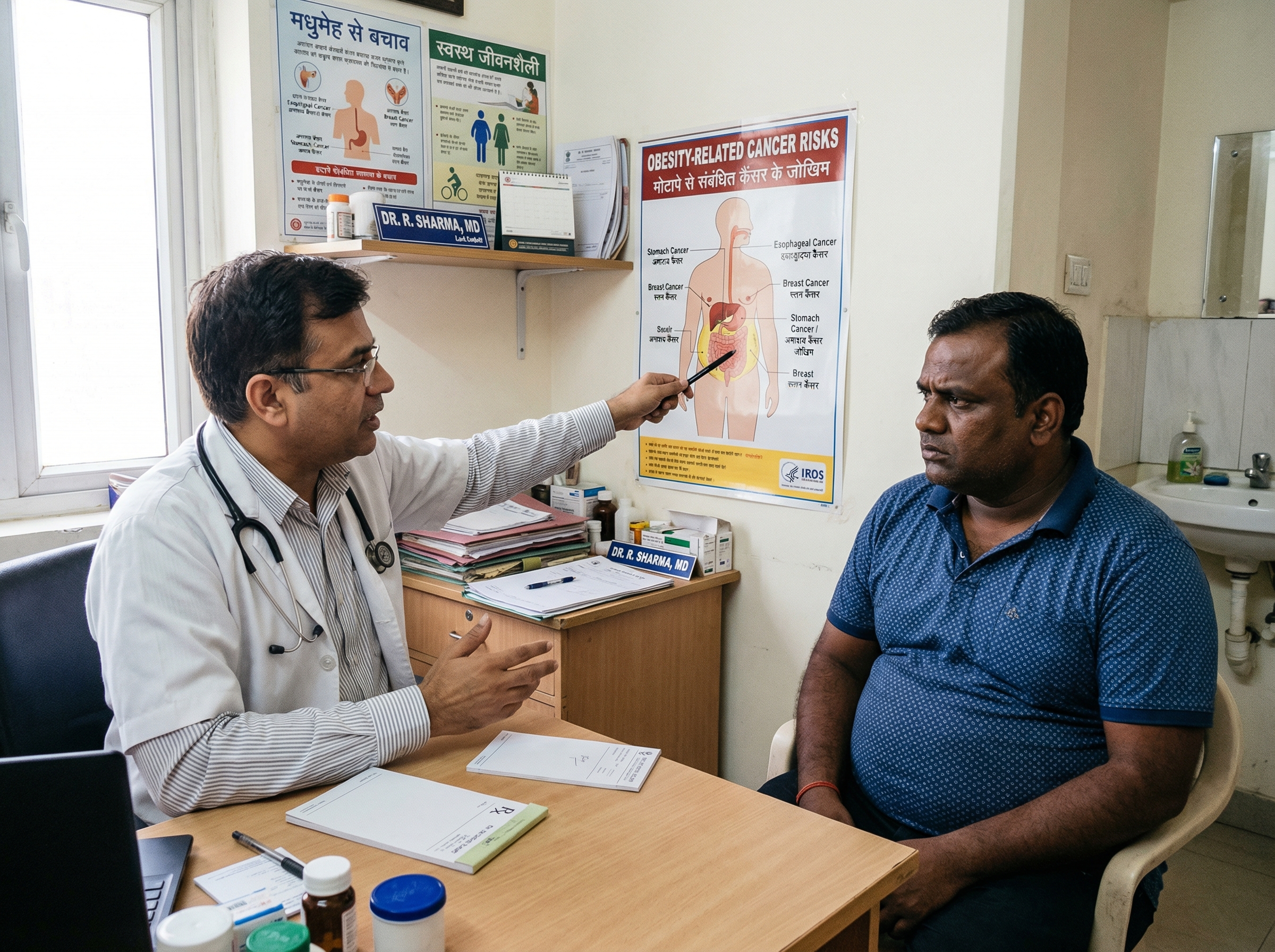
    The recent decades have witnessed the emergence of obesity among the masses as a serious global health concern. Earlier thought to be a lifestyle issue, it is now considered a major precipitating factor to diseases such as diabetes, heart ailments, and increasingly, cancer. Scientific studies point towards obesity being a risk factor for the development of several types of cancers. Excess body fat is known to trigger many biological changes in the body, including chronic inflammation, hormonal imbalances, and altered immune response. All these changes may contribute towards growth and spread of cancer cells in the body.

    Factors contributing towards obesity

    Excessive body fat accumulation or having a Body Mass Index (BMI) of 30 or higher is considered as obesity in adults. There are several factors that can lead to obesity such as:
    • Poor diet: Consuming unhealthy food such as processed food and fast food can increase the body weight drastically.
    • Sedentary lifestyle: Leading an inactive lifestyle without any physical exercises can increase body weight over a period of time.
    • Genetic factors: Genes control obesity to a far extent. You are likely to be obese if one or both your parents were also overweight.
    • Hormonal imbalances: Sometimes, due to hormonal changes, conditions such as PCOD (Polycystic Ovarian Disorder) occurs which can lead to increased body weight.

    How obesity promotes cancer

    There are several mechanisms that occur inside the body if a person is obese. These contribute to cancer to a large extent. Some of these biological mechanisms are:
    • Chronic inflammation: Excess fat tissues have the potential to attract immune cells (macrophages). These cause low-grade inflammation in the body that result in DNA damage and facilitates tumor growth.
    • Insulin resistance: Obesity often results in high insulin levels in the body and also insulin-like growth factor-1 (IGF-1). Together, they can stimulate cell proliferation, leading to tumor formation.
    • Hormonal changes: Excess production of estrogen hormone increases the risk of breast, ovarian, and endometrial cancers.
    • Adipokine disruption: Fat cells or adepocytes produce a hormone, adipokine. In obese individuals there is excess leptin and reduced adiponectin production. As leptin stimulates increased cell growth without proper check due to decreased adiponectin production, this imbalance may stimulate tumor growth.
    • Altered immune response: Obesity weakens the ability of the immune system to recognize and eliminate cancer cells from the body.

    For many, obesity may mean like a cosmetic concern that impacts their appearance and sense of self-esteem. However, much deeper lies the underlying health concerns that increases the risk of several types of cancers including, breast, colorectal, endometrial, liver, pancreatic, kidney, and esophageal adenocarcinoma. As mentioned above, excess body fat affects the body in various ways. Knowing the connection between obesity and cancer highlights the need of maintaining a healthy body weight throughout life. By adopting healthy lifestyle measures such as balanced eating habits, engaging in regular physical exercises, etc. overall health and body weight can be improved. Hence, there is a need for individuals and communities to spread awareness about healthy lifestyle choices and taking meaningful steps toward reducing the burden of obesity-related cancers.

  • What Are the Warning Signs That Should Never Be Ignored?

    What Are the Warning Signs That Should Never Be Ignored?

    Imagine getting that “queasy” feeling over time that something is amiss inside your body. Those slight, tell-tale signs that you often push aside in a bid to allay your worst fear. For many, these small warning signs can be the first whispers for something much more serious. Now, visualize visiting your healthcare provider where your worst fear gets confirmed. The most dreaded word, “Cancer” makes its way into your ears and creates a state of panic in you as you stand in disbelief. In order to save yourself from such an alarming scenario, it is best to stay informed about the early warning signs of cancer that you should never ignore.

    Common signs of cancer everyone should know

    • Unexplained weight loss: If you notice sudden, considerable weight loss without any plausible reason, it should make you alert. It could indicate the onset of an underlying disease such as cancer.
    • Persistent fatigue: Persistent fatigue that does not improve even after resting could mean leukemia or other systemic cancers.
    • Frequent fever: Having frequent episodes of fever, especially at night-time along with night sweats, can indicate the onset of blood cancers like leukemia and lymphoma.
    • Continuous pain and discomfort: Constant pain in the bones, back, or abdomen may be indicative of bone, pancreatic, or ovarian cancer.
    • Changes in appearance of skin or moles: New moles or existing moles that change in appearance (shape/size) and colour often is a clear indicator of skin cancers. It is best to follow the ABCD rule for observing changes in moles as given below:

    i. Asymmetry: Does the mole have the same appearance in all parts?
    ii. Border: Do the borders look sharp or ragged?
    iii. Colour: Is there any change in the colour of the mole?
    iv. Diameter: Is the mole bigger in size than an eraser (6mm)?
    • Unusual bleeding/discharge: Presence of blood in the urine or faeces and abnormal discharge from various parts of the body such as nipples and penis, may point towards cancer of the urogenital system.

    Organ-specific signs and symptoms of cancer

    • Digestive system: Difficulty swallowing, persistent heartburn, appearance of blood in stool may be indicative of gastro-intestinal cancers such as esophageal, stomach, and colorectal.
    • Uro-reproductive system: The common genitourinary cancers include those of the bladder, kidney, cervix, and testis. Some of the symptoms related to cancer of this system are blood in urine and stool, unexplained vaginal bleeding, and changes in testicles.
    • Respiratory system: Possible cancers of the lung and throat can cause chronic cough, blood in sputum, and hoarseness of voice.
    • Breast and lymph nodes: Lumps in the breast or swollen lymph nodes may mean breast cancer or lymphoma.

    Recognizing the warning signs of cancer and taking them seriously is a crucial step towards early diagnosis and treatment. While some of these symptoms may be associated with less serious health conditions, persistent or unusual changes in the body should never be ignored. Paying attention to the signs given by your body, seeking timely medical advice when something feels wrong, and keeping up with regular screenings can significantly improve the chances of detecting cancer early. Remember, being proactive and vigilant about your health are some powerful ways by which you can protect yourself and those around you.

  • How Does Family History Influence Cancer Risk?

    How Does Family History Influence Cancer Risk?

    Cancer is caused due to both genetic and environmental factors. While environmental factors are controllable such as diet, exercise, exposure to toxins and sunlight, what cannot be changed is your family history. Studies have shown that those who have close relatives who have had some form of cancer are more predisposed to having cancer themselves. Understanding how your family medical history affects cancer risk goes a long way in taking essential steps for early screening and detection to prevent cancer.

    Does cancer run in families?

    Cancer cannot be passed down from the parents to their offspring. Similarly, genetic changes in tumor cells are also not inheritable. What follows down the generations are any genetic changes that increase the risk of cancer which are mostly present in the parent’s egg or sperm cells. A parent who has mutated BRCA1 and BRCA2 gene can pass it on to their child, thereby increasing the child’s risk of developing breast cancer and many other cancers. This pattern shows that cancer does sometimes run in families. According to research, up to 10% of all cancers are caused due to inherited faulty genes.

    Role of genetic changes in causing cancer

    A number of cancers are caused due to inherited genes such as breast, ovarian, colorectal, prostate, pancreatic cancer and melanoma. Most DNA changes that cause cancer occur at the gene level. Crucial mechanisms that work at the gene level include:
    • Mutations in Proto-oncogenes: Proto-oncogenes are normally responsible for cell growth. However, due to mutations, they can turn cancerous.
    • Mutations in Tumor Suppressor genes: These genes are specialized in inhibiting cell growth, repair DNA damage, and trigger programmed cell death (apoptosis). When these undergo mutational changes, cells escape growth restraints and grow uncontrollably leading to cancer.

    Higher risk of getting cancer

    If you have a family history of cancer, your chances of developing the same increases considerably. You are at higher risk in the following eventualities, if:
    • One of your relatives was diagnosed before 50 years with breast, uterine, or colorectal cancer.
    • Two or more of your relatives from same side of the family were diagnosed with breast, uterine, or colorectal cancer.
    • A male relative was diagnosed with cancer of the breasts.
    • A female relative was diagnosed with cancer of the ovaries.

    Common hereditary conditions that lead to cancer

    There are certain family cancer syndromes (also called hereditary cancer syndromes) which can lead to cancer, if inherited. These are caused by genetic variations in certain cancer-causing genes. The major inherited cancer-leading conditions are:
    • Hereditary Breast and Ovarian Cancer (HBOC): This condition occurs due to BRCA1 and BRCA2 gene mutations, often resulting in breast and ovarian cancers.
    • Lynch Syndrome: This syndrome is caused by mutations in DNA mismatch repair genes. A person who inherits this genetic condition has an increased risk of developing various types of cancers such as colorectal and endometrial cancer.
    • Familial Adenomatous Polyposis (FAP): Certain changes in the APC gene are responsible for this familial syndrome. People who inherit this gene are more susceptible to developing colorectal cancer, due to high chances of forming numerous colon polyps.

    Generally, a genetic counsellor can assess your risk of inheriting cancers by taking an extensive medical history of your family. Using risk assessment tools and deciding if genetic testing is right for you, the counsellor can help you make choices that reduce your risk of cancer. By staying proactive through regular check-ups and consulting a genetic counsellor, if needed, you can transform the knowledge of your family history into a practical tool for early detection of cancer and its prevention.

  • What Is the Role of HPV Vaccination in Preventing Cervical Cancer?

    What Is the Role of HPV Vaccination in Preventing Cervical Cancer?

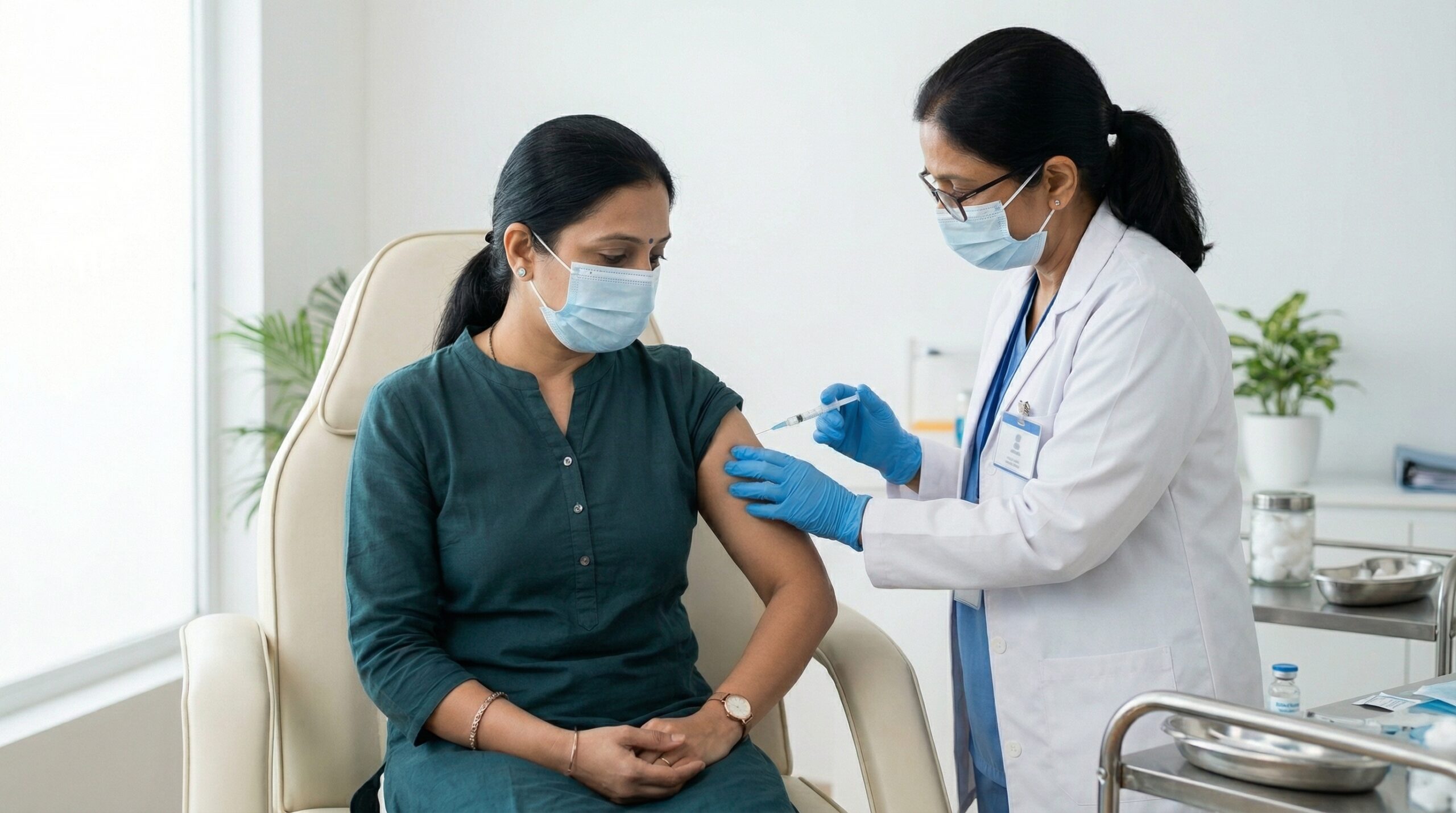
    The narrow, lower part of the female reproductive system is called cervix which connects the uterus to the vagina or birth canal. Cancer which develops in the cells of the cervix results in cervical cancer. Before cancer develops in the cervix, the cells here undergo changes known as dysplasia. At this stage, abnormal cells start appearing in the cervical tissue which, if not treated, can develop into cancerous cells over time. Fortunately, today the HPV vaccine is available which offers protection against cervical cancer. This blog highlights the types of cervical cancers, vaccines available to guard against HPV, and the role of HPV vaccination in preventing cervical cancer.

    Different forms of Cervical Cancer

    Depending upon the type of cell where the cancer has started, cervical cancer can be categorized into two types:
    • Squamous cell carcinoma: Up to 90% of all cervical cancers are of this kind. This cancer develops in the cells of the ectocervix.
    • Adenocarcinoma: This type of cervical cancer forms in the glandular cells of the endocervix.
    • Adenosquamous carcinoma: This type shows features of both squamous cell carcinoma and adenocarcinoma.

    All about the HPV Vaccine

    HPV vaccine prevents against HPV (human pappillomavirus) infection which is commonly transmitted sexually. Other than cervical cancer, HPV infection can result in genital warts. HPV vaccine plays an important role by preventing HPV infections from turning into cancers (e.g. cervical, vaginal, vulvar, penile, or anal) or genital warts.

    There are over 40 strains of HPV that can spread through sexual contact. There are three different types of HPV vaccines, each providing protection against a different strain of HPV.

    Gardasil-9 vaccine

    This is the most commonly used HPV vaccine which provides a comprehensive protection against most HPV infections. This HPV vaccine protects against:
    • HPV-16 and HPV-18: These variants are among the two most high-risk strains of HPV. These cause 70% of cervical cancers and 90% of anal cancers.
    • HPV-31, 33, 45, 52 & 58: Altogether, these strains of HPV contribute to remaining 20% of cervical cancers.
    • HPV-6 & HPV-11: These two are low-risk strains of HPV and don’t cause cancer. However, they are responsible for causing almost 90% of genital warts.
    Gardasil- This vaccine offers protection against HPV-16 & HPV-18 (high-risk strains associated with cancer) as well as HPV-6 & HPV-11 (low-risk strains associated with genital warts). However, this original Gardasil vaccine does not offer protection against additional HPV strains that cause remaining 20% of cancer, unlike Gardasil-9.
    Cervarix- This vaccine only protects against high-risk strains of HPV that cause cancer i.e. HPV-16 and HPV-18. It also does not offer protection against genital warts.

    Benefits of getting the HPV vaccine

    • Prevents HPV infection: The HPV vaccine protects against high-risk strains of the human papillomavirus or HPV, namely HPV-16 and HPV-18. Thus, it becomes imperative for females who are sexually active to take this vaccine.
    • Reduces precancerous cervical lesions: This is also done by the HPV vaccine as an added effect by decreasing abnormal cervical cell changes and stimulating the production of high-level neutralizing antibodies.
    • Lowering cervical cancer incidence: Rate of incidence of cervical cancer has considerably gone down after the HPV vaccine has been made available.

    While regular screening for cervical cancer remains essential, widespread vaccination can contribute towards reducing the incidence of precancerous lesions which can lead to cervical cancer. By combining powerful tools like public awareness and early vaccination, especially for high-risk (sexually active) group, we can take a step closer towards a future where cervical cancer is largely preventable. An HPV vaccination shot today can indeed save precious lives tomorrow!

  • How Does Tobacco and Alcohol Increase Cancer Risk?

    How Does Tobacco and Alcohol Increase Cancer Risk?

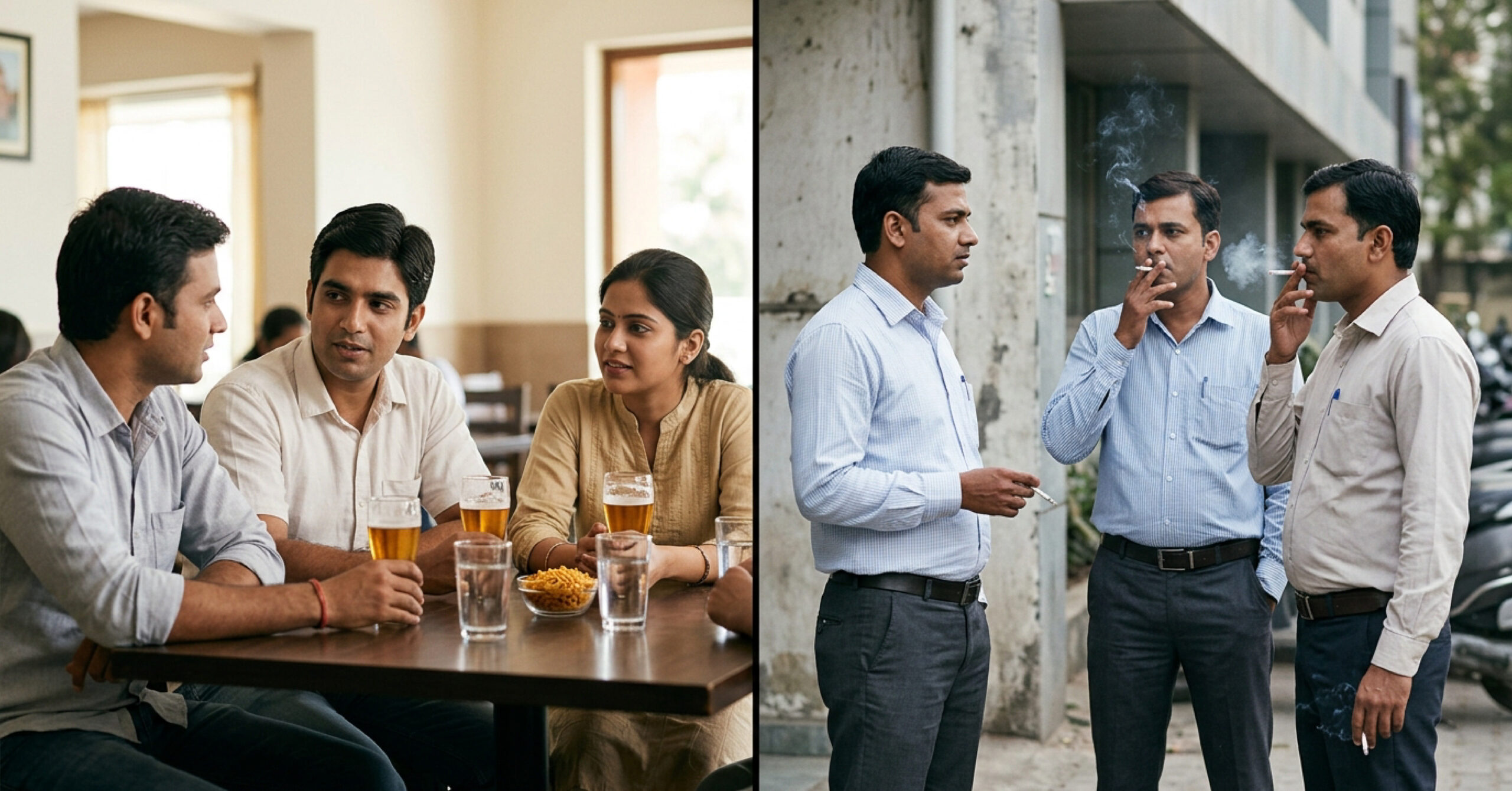
    Cancer is often associated with preventable lifestyle factors such as alcohol consumption and tobacco use. These two factors are largely responsible for a number of cancers. Both these substances expose the body to harmful chemicals that can damage cells, interfere with normal biological processes and ultimately, lead to cancer development. Understanding how alcohol and tobacco increase cancer risk, the biological mechanism behind their harmful effects and the types of cancers they cause are the highlights of this blog.

    Cellular and genetic basis of cancer development

    Cancer is the uncontrolled multiplication of abnormal cells in the body. It is driven by genetic mutations that occur in the DNA. As a result of these mutations, accumulation of genetic errors takes place which disrupt normal cell function, leading to uncontrolled growth and tumor development. Carcinogens or cancer-causing substances are present in tobacco and alcohol which precipitate DNA damage, inducing genetic mutations and chronic inflammation, thereby creating an environment that promotes cancer development.

    Link between tobacco and cancer

    Tobacco smoke contains more than 7000 chemicals, out of which 69 are known carcinogens. Every time you smoke from cigarettes, cigars, and pipes, these chemicals get into your bloodstream from where they are transported to all parts of your body. These chemicals damage the DNA and make the cells grow differently from how they should normally grow. In due course of time, such abnormally developed cells can turn cancerous. Also, long-term use of tobacco can cause inflammation which damages tissues and helps cancer cells grow and spread. Tobacco can cause cancers of the lung, mouth and throat, oesophagus, pancreas, bladder, and kidneys.

    Alcohol and its contribution in cancer development

    Alcohol metabolism releases acetaldehyde which is toxic in nature and damages DNA and induces oxidative stress, resulting in damage of cells. Regular use of alcohol can increase levels of the hormone, oestrogen which plays a significant role in breast cancer development. Chronic drinkers often suffer from liver cirrhosis, which can lead to cancer. Furthermore, alcohol inhibits the absorption of useful nutrients like folate which plays a vital role in DNA repair. Alcohol consumption can lead to the development of cancer of the mouth, throat, esophagus, breast, liver, and colon.

    Tobacco-alcohol interaction in cancer risk

    Tobacco and alcohol together work in a synergistic manner to increase cancer risk by up to 30 times when compared to non-users. In smokers who also consume alcohol, tobacco-related carcinogens are easily penetrated inside the tissues, raising the risk of cancer. The multiplicative effect of tobacco and alcohol raises the risk cancers of the upper-aero digestive tract. This includes the areas of the oral cavity, larynx, pharynx, and esophagus which become more prone to cancer.

    It is important to understand that the combined effect and high consumption of tobacco and alcohol causes double the impact in triggering cancer, even though moderate use of these substances also carry some amount of threat. Knowing about the ill effects of tobacco and alcohol in causing cancer, it becomes vital to spread awareness regarding the same. Both these factors are preventable causes of cancer and reducing or completely eliminating these from our lives, considerably reduce the risk of cancer. Understanding the link between these substances and cancer highlights the importance of making healthier lifestyle choices. After all, our health is in our hands and preventive strategies can help reduce the global burden of cancer.

  • Can lifestyle changes really reduce cancer risk?        

    Can lifestyle changes really reduce cancer risk?        

    Cancer is often considered to be the result of genetics or a random occurrence but more often than not, our lifestyle habits contribute in a significant way towards cancer development. According to latest research, a substantial percentage of cancer cases are linked to unhealthy lifestyle habits and environmental factors. Small and significant changes in our behaviour may help reduce the development of certain types of cancers over time.

    Understanding cancer risk

    Even though most cancers are said to be the result of changes in genes (mutation), some cancers are caused due to an unhealthy lifestyle and following harmful habits. For example, overexposure to the harmful UV rays of the sun can cause skin cancer and the indiscriminate use of tobacco and its products can result in oral cancer. Hence, such cancers are linked to modifiable behaviour which can prevent its incidence.

    Healthy lifestyle changes to reduce cancer risk

    Practising and following healthy lifestyle habits are generally seen as practical steps to support long-term health. However, it is important to understand that lifestyle changes can reduce the risk of cancer but cannot guarantee prevention. Some healthy lifestyle habits to follow are:

    Quitting smoking: Cancers of the lung, oral cavity, oesophagus, bladder, and kidney are often the result of smoking cigarettes. Cigarette smoke contains carcinogens which can weaken the body’s immune system, making it harder to kill cancer cells. Research shows that the risk of developing lung cancers is reduced by half within five years of quitting smoking. Similarly, chewing or smoking tobacco or its products are equally harmful and lead to the incidence of many types of cancers.

    Eating wholesome food: Limiting the use of processed and packaged food, incorporating foods that contain phytochemicals and antioxidants such as fruits, vegetables, whole grains, and legumes can considerably work in building the body’s immune system and neutralizing free, cancer-causing radicals. Essentially, a plant-based diet can prevent cancer by supplying the body with nutrients that help reduce inflammation and repair damaged cells.

    Exercising regularly: Leading a sedentary lifestyle can cause a number of health issues and diseases. Exercising regularly keeps you active and restores the body’s balance of hormones such as oestrogen and insulin, reduces inflammation, and boosts the immune system.

    Limiting alcohol consumption: Alcohol intake exposes the body to acetaldehyde, a by-product of alcohol metabolism. Acetaldehyde, a known carcinogen, damages DNA and also inhibits cell repair. Less consumption of alcohol means lower production of acetaldehyde in the body.

    Protecting skin from sun: Exposure to harmful UV radiations (both UVA and UVB rays) of the sun can cause damage to the DNA within the skin cells. Overexposure to the sun is a known cause of skin cancer. Thus, it is important to avoid direct sunlight and use sunblock and sunscreens before stepping out in the sun.

    Cancer is a complex disease, and no single habit or change can eliminate the risk. However, cancer risk can be considerably reduced by adopting preventive habits that support the body’s natural defence mechanism. The choices we make in our daily life go a long way in lowering the risk of developing many types of cancers. The key takeaway is about building healthier habits over time as healthier lifestyle is an investment in long-term health.